Building Biodiverse Ecosystem
Building with Nature: Our 10-point NatuResolution plan
Biodiversity plays a vital role in ecological balance, economic stability, and human well-being, and we recognise its intrinsic connection to our developments. It is embedded in our site assessment, landscape design, and construction practices. Our approach includes retaining existing trees, using native species, and creating green spaces that support local ecosystems. We conduct biodiversity studies through external experts, preserve plantations during construction, and replant or transplant trees when necessary. These efforts help maintain ecosystem services, ensure cooler microclimates, and improve air quality. We have also adopted a ten-point resolution to protect and enhance biodiversity across all project sites.
- Protect natural grass and reduce turf
| - Eliminate use of artificial pesticides/fertilisers
|
- Preserve topsoil and make your own soil by composting
| - Integrate food farming (vegetables/fruit) and bee farming in projects
|
- Create eco-habitats and urban forests
| - Mulch garden waste to preserve moisture
|
| - No fires for clearing sites
|
| |
Biodiversity Conservation and Enhancement strategy
Residential
| Pre-Design Stage | Design Stage | Construction Stage | Occupancy Stage |
|---|
| Strategic Interventions |
- Biodiversity assessment (through external third-party partners)
- Species count (flora and fauna)
| - Design for maximum preservation of biodiversity on-site
- Selection of materials (with the least impact on biodiversity)
| - Follow the 10-point Nature Resolution
- Follow sustainable construction practices – preservation of biodiversity during the construction phase
- Periodic assessment of biodiversity as per the proposed conservation plan
| - Regular assessment and maintenance with support from external third-party partners
|
| Reference Materials |
- Biodiversity assessment framework aligned to CBD (Convention on Biological Diversity)
| - 10-point Nature Resolution
- Sustainable design guidelines
| - 10-point Nature Resolution
- Sustainable construction practices
| - Resident assist
- Sustainability flipbook
- Capacity-building workshops
|
| Impact |
- Helps understand the rich biodiversity of selected projects
| - Preservation and enhancement of maximum biodiversity on-site
| - Preservation of maximum biodiversity on-site
| - Preservation and enhancement of biodiversity on-site
|
IC & IC
| Pre-Development Stage | Development Stage | Operation and Maintenance Stage |
|---|
| Strategic Interventions |
- Biodiversity assessment (through external third-party partners)
- Species count (flora and fauna) and ecosystem impact
| - Design for maximum preservation of biodiversity on-site
- Selection of materials (with the least impact on biodiversity)
- Follow the 10-point Nature Resolution
- Follow sustainable construction practices – preservation of biodiversity during the construction phase
- Periodic assessment of biodiversity as per the proposed conservation plan
| - Regular assessment and maintenance with support from external third-party partners
|
| Reference Materials |
- Biodiversity assessment framework aligned to CBD (Convention on Biological Diversity)
| - 10-point Nature Resolution
- Sustainable design guidelines
- Sustainable construction practices
| - Capacity-building workshops
|
| Impact |
- Helps understand the rich biodiversity of selected sites
| - Preservation and enhancement of maximum biodiversity onsite
| - Preservation and enhancement of biodiversity onsite
|
Biodiversity conservation measures
Topsoil preservation:
The top 200 mm of fertile soil that is rich in nutrients and essential for plant growth is carefully preserved during site preparation. This soil is either stored on-site for future landscaping or sent to nearby nurseries to support green cover development.
Soil erosion control
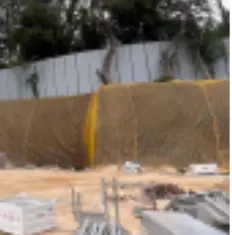
To minimise environmental degradation, erosion control nets are installed around project perimeters. These nets prevent soil displacement, reduce sediment runoff, and help maintain site stability, especially during monsoon periods.
Biodiversity Index – IC & IC
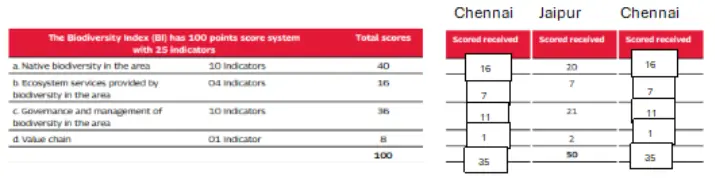
As part of the commitment to sustainable urban development, MWC Chennai, MWC Jaipur, and Origins Chennai undertook a third-party biodiversity assessment using a 25-indicator Biodiversity Index (BI) framework across four categories, with a total score of 100.
The cities and industrial clusters scored high, supported by a rich ecosystem of diverse plant and animal species. Biodiversity hotspots and native grasslands serve as microhabitats. The city's and industrial cluster's trees sequester tonnes of carbon and nurtures native species across the development.