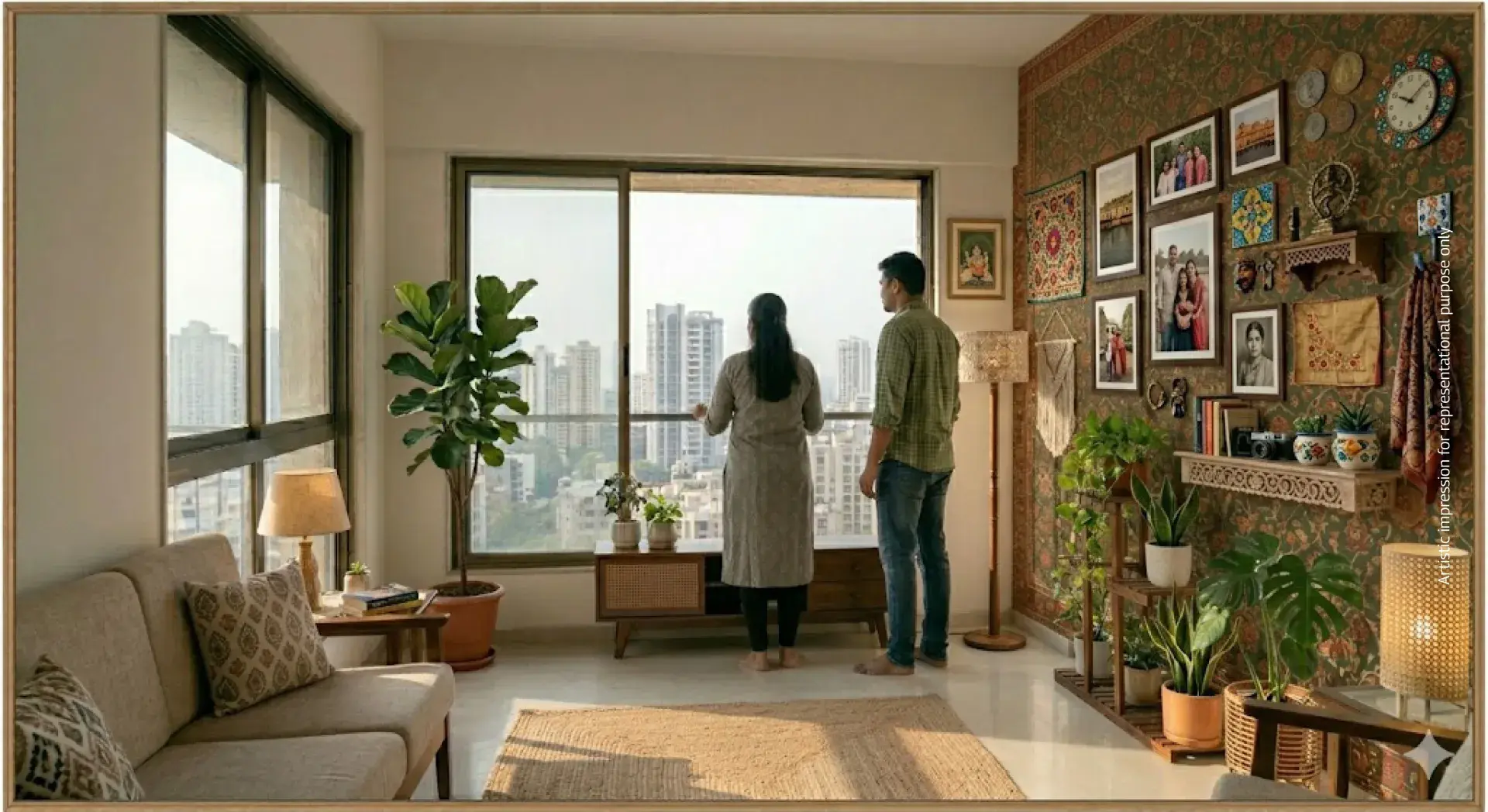
For decades, the definition of "luxury" in Indian real estate was synonymous with opulence—Italian marble, gold-plated fixtures, and sprawling square footage. However, as we move through 2026, a profound shift has occurred. Luxury is no longer just about what you own; it's about how you live in harmony with the planet.
Today, environment-friendly homes have emerged as the new gold standard, representing a sophisticated blend of high-end living and deep ecological responsibility.
But what does a green home actually mean in 2026? It's far more than just having a few potted plants on a balcony. It is a scientifically engineered ecosystem designed to minimize its carbon footprint while maximizing the well-being of its inhabitants.
Modern eco-friendly apartments are built on four pillars of efficiency that transform them from mere shelters into active participants in environmental conservation.
1. Net-Zero energy and passive cooling
The ultimate goal for sustainable housing in India is the transition to net-zero energy buildings. These structures generate as much energy as they consume through integrated solar panels and wind turbines. However, the real "magic" lies in passive cooling.
Using climate-responsive designs—such as strategic window placement for cross-ventilation and thermal-resistant paints—these homes stay naturally cooler. This significantly reduces the need for air conditioning, answering the common question of how to save electricity in eco-friendly flats.
2. Advanced water stewardship
Water is the most precious resource in urban India. Leading eco-friendly flats now feature on-site Sewage Treatment Plants (STPs) and greywater recycling systems. This treated water is reused for flushing and landscaping, reducing freshwater demand by up to 40%. Coupled with rainwater harvesting, these homes act as self-sufficient reservoirs during the monsoon.
3. Closed-loop waste management
In 2026, "throwing things away" is an outdated concept. Green residential projects utilize on-site organic waste converters that turn kitchen scraps into nutrient-rich compost for community gardens. With sophisticated waste segregation systems built into the architecture, these buildings ensure that minimal trash ends up in a landfill.
4. Material efficiency
The gold standard of construction now involves the reuse of materials and the application of recycled content. From reusing material at site like construction & demolition waste for back-filling, and fly-ash bricks to sustainably sourced timber and low-VOC (Volatile Organic Compound) paints, the very bones of the building are chosen to reduce embodied carbon.
Investing in sustainable housing in India is no longer just a "feel-good" choice; it is a sharp financial move. While the initial purchase price might carry a slight premium, the green building benefits offer a rapid return on investment.
Eco-friendly homes are designed for the "human" as much as the "earth." They improve the health of your family through:
By choosing climate-conscious homes, we aren't just saving on bills; we are helping the planet heal by reducing the urban heat island effect and slowing resource depletion.
Before you sign on the dotted line, use this checklist to ensure your flat is actually eco-friendly:
The shift toward environment-friendly homes is the most significant evolution in real estate history. It marks the transition from being a consumer of the environment to a custodian of it. By choosing a green home today, you aren't just buying a property; you are securing a healthier, more sustainable legacy for your children. In 2026, the greenest home is truly the most golden investment.
Step into the future of conscious living. Explore our Net-Zero energy & waste homes at Mahindra Lifespaces and experience the science of healthy living. Visit our sustainable projects today.
Disclaimer – This content is for educational and informational purposes only and does not constitute financial, legal, or professional advice. Please consult with a certified professional or legal counsel before making any decisions based on this information.
1. What exactly makes a home "Net-Zero"?
A Net-Zero energy building is designed to produce as much energy as it consumes over the course of the year. In 2026, this is achieved through a combination of energy-efficient appliances, superior insulation to reduce cooling needs, and on-site renewable energy sources like rooftop solar panels or micro-wind turbines.
2. What is an IGBC certification, and why should I look for it?
The IGBC (Indian Green Building Council) provides a rating system (Certified, Silver, Gold, Platinum) that validates a project's sustainability. An IGBC certified apartment has undergone rigorous third-party auditing for its water efficiency, energy conservation, and indoor environmental quality, ensuring the developer's "green" claims are authentic.
3. How does "Passive Cooling" work in an Indian climate?
Passive cooling uses architectural design instead of mechanical systems to regulate temperature. This includes cross-ventilation, using materials with high thermal mass to block heat, and "cool roofs" that reflect sunlight. It ensures your home stays naturally comfortable, even during peak Indian summers.
4. What is "Greywater Recycling," and is it safe for home use?
Greywater is the relatively clean wastewater from baths, sinks, and washing machines. In eco-friendly projects, this water is treated on-site and reused for non-potable purposes like flushing toilets and watering gardens. It is completely safe for these specific uses and significantly reduces a building's total freshwater demand.
5. Can an existing apartment be turned into an eco-friendly one?
While you cannot change the "bones" of an existing building, you can retrofit your unit. Saving electricity in eco-friendly flats often starts with installing BEE 5-star rated appliances, switching to low-flow water aerators, using thermal curtains, and applying low-VOC paints to improve indoor air quality.
6. What are "Low-VOC" materials, and how do they affect my health?
VOCs (Volatile Organic Compounds) are chemicals found in many traditional paints, glues, and carpets that "off-gas" into your home. Eco-friendly apartments use low-VOC or zero-VOC alternatives, which significantly reduce the risk of respiratory issues, headaches, and allergies for your family.
7. Do green buildings have a better resale value?
Yes. As climate consciousness grows and energy prices rise, sustainable housing in India is becoming more desirable, especially if the residential complex is IGBC certified.
8. What is "Biophilic Design" in a high-rise context?
Biophilic design is the practice of connecting building occupants more closely to nature. In modern apartments, this means maximizing natural light, providing views of greenery, and using natural materials like stone and wood. This has been scientifically proven to reduce stress and improve mental well-being.

Established in 1994, Mahindra Lifespace Developers Ltd. (‘Mahindra Lifespaces’) brings the Mahindra Group’s philosophy of ‘Rise’ to India’s real estate and infrastructure industry through thriving residential communities and enabling business ecosystems.


