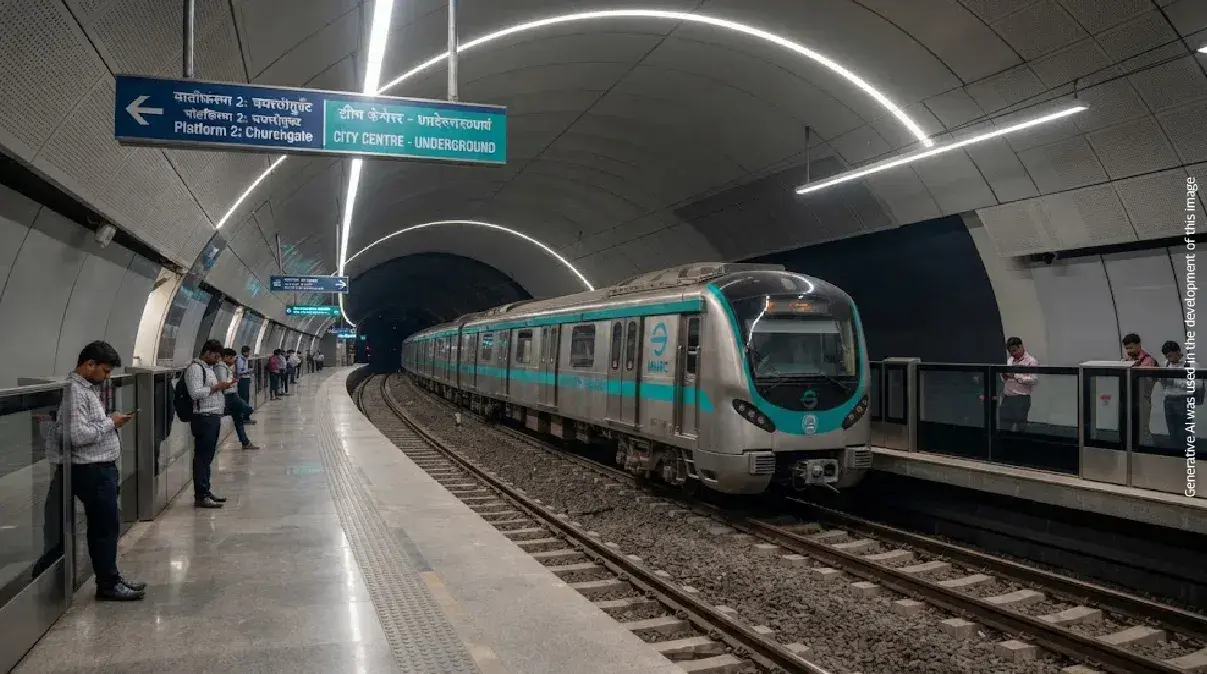
Mumbai’s metro network is transforming the way the city travels. What once took over an hour through traffic can now be completed in minutes through expanding metro corridors connecting western suburbs, central Mumbai, Thane, and upcoming business districts.
For daily commuters, knowing the latest Mumbai metro timings, route connectivity, and interchange stations has become essential for smoother travel planning. At the same time, metro expansion is also reshaping Mumbai’s real estate landscape, with residential demand rapidly increasing in locations near key metro corridors.
This detailed guide covers updated Mumbai metro timings 2026, line wise schedules, operational routes, metro maps, fare information, interchange stations, future expansion updates, and how metro connectivity is influencing property demand across Mumbai.
The Mumbai Metro network continues to expand rapidly across the Mumbai Metropolitan Region (MMR). Several operational and upcoming corridors are improving east west and north south connectivity while reducing dependence on overcrowded local trains and road transport.
At present, Mumbai Metro includes operational elevated and underground corridors connecting major locations such as:
The expanding metro ecosystem is expected to significantly reduce daily commute times while supporting infrastructure led growth across emerging residential markets.
The operational timings of Mumbai Metro vary slightly depending on the corridor and line. However, most metro lines begin services early in the morning and continue till late night to support office commuters and intercity travellers.
| Details | Timings |
|---|---|
| First Train | 5:30 AM to 6:30 AM |
| Last Train | 10:30 PM to 11:55 PM |
| Peak Hour Frequency | Every 3 to 5 minutes |
| Non Peak Frequency | Every 7 to 10 minutes |
Mumbai Metro Line 1 remains one of the busiest metro corridors in the city, connecting western and eastern suburbs through Andheri.
| Details | Timings |
|---|---|
| First Train from Versova | 5:30 AM |
| First Train from Ghatkopar | 5:30 AM |
| Last Train from Versova | 11:25 PM |
| Last Train from Ghatkopar | 11:50 PM |
| Frequency | Every 3.5 to 5 minutes |
This corridor is heavily used by office professionals travelling between Andheri business districts, Powai, Ghatkopar, and western suburbs.
| Details | Timings |
|---|---|
| First Train | 6:00 AM |
| Last Train | 10:00 PM |
| Frequency | Every 5 to 8 minutes |
The corridor has significantly improved connectivity for western suburban residents and reduced road congestion on Link Road and SV Road.
| Details | Timings |
|---|---|
| First Train | 5:55 AM |
| Last Train | 10:30 PM |
| Frequency | Every 5 to 8 minutes |
This line is helping commuters access commercial hubs faster while supporting residential growth in suburban micro markets.
Mumbai Metro Line 3 is Mumbai’s first underground metro corridor connecting South Mumbai with business districts and airport connectivity zones.
| Details | Timings |
|---|---|
| First Train | Expected around 6:00 AM |
| Last Train | Expected around 11:00 PM |
| Type | Underground Corridor |
The Aqua Line is expected to drastically reduce travel time between South Mumbai and commercial hubs.
The expanding Mumbai metro route map is designed to improve multimodal connectivity between railway stations, airports, business districts, and residential zones.
| Station | Interchange Connectivity |
|---|---|
| Andheri | Western Railway |
| Ghatkopar | Central Railway |
| Marol Naka | Future Metro Interchange |
| Gundavali | Line 2A & Line 7 |
| BKC | Aqua Line Connectivity |
| Dahisar | Multiple Metro Extensions |
These interchange stations are reducing travel dependency on private vehicles and improving citywide mobility.
The Mumbai metro fare depends on travel distance and metro corridor.
| Distance | Approx Fare |
|---|---|
| 0 to 3 km | ₹10 |
| 3 to 12 km | ₹20 |
| 12 to 18 km | ₹30 |
| 18 to 24 km | ₹40 |
| 24 to 30 km | ₹50 |
| Beyond 30 km | ₹60 to ₹80 |
Commuters can use:
Digital ticketing has reduced waiting times and improved commuter convenience significantly.
One of the biggest transformations driven by the metro network is the rapid appreciation of residential and commercial real estate near metro corridors.
Areas with strong metro connectivity are witnessing higher residential demand, faster property appreciation, better rental growth, increased infrastructure development, and an improved social and commercial ecosystem.
Unlike older infrastructure projects, Mumbai Metro is directly influencing buyer decisions today, especially among working professionals seeking shorter commute times.
Kanjur has emerged as one of Mumbai’s strongest residential growth corridors due to improving metro and road connectivity.
Homebuyers are increasingly choosing Kanjurmarg for its strong eastern and western connectivity, close proximity to Powai and BKC access routes, better infrastructure development, a growing commercial ecosystem, and reduced commute stress.
Projects like Mahindra Rainforest on LBS Marg are attracting buyers looking for premium connectivity driven homes with access to evolving metro infrastructure.
Kandivali East has benefited significantly from Metro Line 7 connectivity. Growing demand is being driven by faster travel across the western suburbs, improved highway connectivity, better social infrastructure, and increasing residential demand.
Mahindra Vista, Kandivali East offers premium homes strategically connected to growing metro infrastructure and major arterial roads.
Malad continues to emerge as a preferred residential destination because of metro expansion and business growth.
Malad continues to grow because of its excellent metro connectivity, easy access to commercial hubs, improved lifestyle infrastructure, and strong rental demand.
Mahindra Marina64, Malad offers premium residences with excellent access to western suburban connectivity corridors.
The upcoming metro connectivity improvements in South and Central Mumbai are expected to strengthen luxury housing demand in Mahalaxmi.
Mahindra BeaconHill, Mahalaxmi benefits from premium central connectivity while offering luxury residences in one of Mumbai’s most established neighborhoods.
Mumbai Metro is expected to expand aggressively over the next decade with multiple approved and under construction corridors.
These projects are expected to further reshape residential demand patterns across MMR.
The expanding Mumbai metro map is fundamentally altering how the city travels, works, and chooses where to live. With improved east-west connectivity, reduced commute times, growing interchange networks, and ambitious future expansion plans, the Mumbai Metro has firmly established itself as the backbone of modern urban mobility.
For modern homebuyers, robust transport connectivity is no longer optional. Daily commute efficiency directly impacts:
Properties situated near metro corridors consistently remain highly desirable because infrastructure-driven growth creates durable, long-term economic value.
While most transit discussions focus strictly on commute convenience, deeper structural shifts are actively reshaping Mumbai's real estate market:
These evolving preferences represent some of the most significant long-term trends influencing Mumbai's property landscape. As metro infrastructure continues to expand across both operational and upcoming corridors, connected locations will continue to attract strong buyer demand, steady infrastructure upgrades, and superior investment potential.
For homebuyers and investors alike, understanding Mumbai metro timings, route connectivity, and metro influenced growth corridors can help make smarter real estate decisions in 2026 and beyond. Mahindra Lifespaces projects across Mumbai are strategically positioned near evolving infrastructure corridors, helping residents benefit from better accessibility and future growth potential.
Disclaimer: This article is for informational purposes only and should not be considered financial, legal, investment, or professional advice. Please verify information with official sources before making any decisions.
Most Mumbai Metro lines operate between 5:30 AM and 11:30 PM, depending on the corridor.
Mumbai Metro Line 1 connecting Versova and Ghatkopar remains one of the busiest corridors.
The minimum metro fare starts from approximately ₹10.
Mumbai Metro Line 3 Aqua Line is Mumbai’s first underground metro corridor.
Properties near metro stations are witnessing increased buyer demand, better rental potential, and stronger appreciation trends.
Projects including Mahindra Rainforest, Mahindra Vista, Mahindra Marina64, and Mahindra BeaconHill benefit from strong connectivity across major Mumbai corridors.

Established in 1994, Mahindra Lifespace Developers Ltd. (‘Mahindra Lifespaces’) brings the Mahindra Group’s philosophy of ‘Rise’ to India’s real estate and infrastructure industry through thriving residential communities and enabling business ecosystems.


