


Popular searches





Cost of Living in Mumbai 2026: Guide for Bachelors & Families
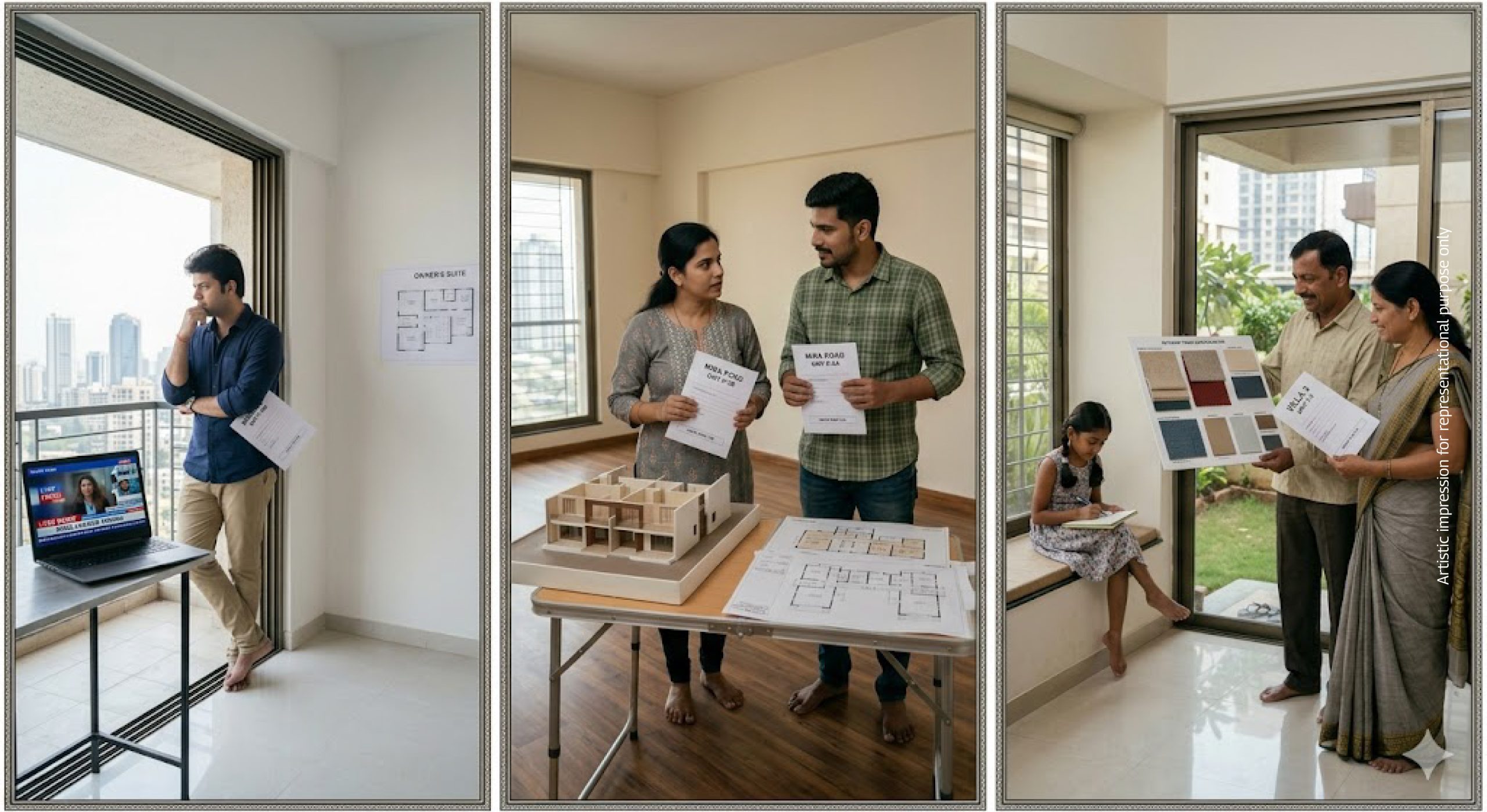
Cost of Living in Mumbai 2026: A Comprehensive Guide for Bachelors, Couples, and Families
Living in Mumbai is an experience like no other—the city that never sleeps is also a city
that never stops moving, growing, and, occasionally, billing. From the high-speed race of
the local trains to the serene views of the Marine Drive, every aspect of “Maximum City”
has a price tag.
In 2026, the cost of living in Mumbai is shaped by a mix of traditional expenses and modern infrastructure upgrades. Whether you are a single professional starting your career or a family looking for a permanent home, navigating the bills—housing rent/EMI, utilities, transport, and groceries—requires a strategic approach.
Localities: Budget vs. premium
Mumbai’s geography is its destiny. Where you choose to live will be the single largest factor in your monthly budget. Here, 2 BHK rents can range from ₹20,000 to ₹1.6 Lakh depending on the location.
- Premium localities (the high-value hubs): Areas like Mahalaxmi, Bandra, and Worli remain the pinnacle of Mumbai living. These areas offer proximity to business districts like BKC and South Mumbai, plus unmatched social infrastructure.
- Aspirations & connectivity (the smart mid-range): Locations like Kandivali, Goregaon, and Powai offer a balanced lifestyle. With the fully operational Metro Line 3 (Aqua Line) and Metro Line 2A/7, these areas have become highly accessible.
- Budget-friendly extended suburbs: For those willing to trade a longer commute for more space, Navi Mumbai, Thane, and Mira Road are the go-to choices. Here, you can find quality living spaces with 2 BHK rent starting as low as ₹20,000 to ₹35,000.
Demographic Breakdown: Survival vs. Comfortable Living
What constitutes a “good” income in Mumbai? The answer shifts depending on who you are and where you stay.
1. Single Bachelor
-
Survival (₹35,000 – ₹50,000): Likely staying in a PG or a shared
2 BHK in the western suburbs (Malad/Kandivali). Commutes via local trains and eats
mostly at home or local mess services. -
Comfortable (₹80,000+): Can afford a private 1 BHK in a well-connected
suburb like Goregaon or Vikhroli. Frequently uses the Metro or AC locals and enjoys
the city’s vibrant weekend nightlife.
2. Couples
-
Is 1 Lakh salary enough for a couple? Yes, but with discipline.
At ₹1 Lakh, a couple can afford a decent 1 BHK in a mid-range locality, manage
monthly expenses in Mumbai for a couple including groceries (₹12,000) and utilities,
with a small margin for savings. - Comfortable (₹1.8 Lakh+): This range allows for a 2 BHK in a gated community, a private vehicle or frequent cab use, and premium health/fitness memberships.
3. Families (Family of 4)
- Survival (₹1.2 Lakh – ₹1.5 Lakh): Necessitates staying in extended suburbs like Kalyan or Navi Mumbai. Major costs involve school fees and a larger grocery bill (₹20,000+).
- Comfortable (₹3 Lakh+): Allows for a 3 BHK in premium suburban pockets, private schooling in international boards, and luxury gated community amenities.
The Hidden Bills: Utilities, Transport, and Help
Beyond rent, Mumbai has several "silent" costs that can sneak up on your budget:
- Electricity: Maharashtra has some of the highest power tariffs. The electricity rate per unit in Maharashtra for 2026 scales from ₹4.43 (low usage) to nearly ₹14.33 for higher consumption slabs. A family in a 3 BHK with AC usage can expect a monthly bill of ₹5,000 to ₹12,000.
- Transport: The Mumbai Metro vs Local Train choice is a trade-off between time and money. A monthly local train pass costs between ₹300–₹1,000, while the new Metro Aqua Line (Line 3) passes range from ₹1,000–₹2,500.
- Domestic Help: A full-time maid for cleaning and cooking can cost anywhere from ₹12,000 to ₹20,000, depending on the locality.
3 Ways to Lower Your Living Costs in Mumbai
-
Leverage the metro: With the 2026 expansion of the Metro network,
you no longer need to stay in expensive pockets to be “near” work. Choose a home
in a mid-range locality within walking distance of a Metro station. -
Gated community efficiency: While there are hidden costs of living
in a Mumbai gated community (like higher maintenance fees), they often save you money
on gym memberships, club fees, and security. -
Smart grocery management: Use local “mandis” for fresh produce instead
of premium supermarkets to save nearly 30% on the cost of groceries in Mumbai.
Conclusion: A City That Rewards the Smart Homebuyer
Mumbai is as expensive as you make it. It is a city that offers a ₹20 Vada Pav and a ₹2,000 fine-dining meal on the same street. By making smart location choices—balancing the "Rent-to-Commute" ratio—and understanding your demographic needs, you can unlock a lifestyle that is both premium and sustainable.
Looking to balance comfort living with smart spending? Explore our RERA-approved projects in Mumbai, designed for modern professionals who value both luxury and value. Discover your new home today.
FAQs
1. Is a salary of ₹1 Lakh enough for a couple to live comfortably in Mumbai in 2026?
Yes, but it requires strategic budgeting. At a ₹1 Lakh monthly income, a couple can afford a 1 BHK in well-connected suburbs like Kandivali or Goregaon (Rent: ₹35,000–₹45,000). After factoring in groceries (₹12,000), utilities (₹4,000), and transport (₹5,000), you will have a modest surplus for savings and entertainment. However, for a premium lifestyle in South Mumbai or a sea-facing 2 BHK, a combined income of ₹1.8 Lakh+ is recommended.
2. What are the typical monthly expenses for a family of four in Mumbai?
FFor a mid-range lifestyle in a 2 BHK, a family can expect to spend between ₹1.2 Lakh and ₹1.8 Lakh per month. This includes rent (₹45,000–₹65,000), school fees for two children (₹15,000–₹25,000), groceries (₹20,000), domestic help (₹12,000), and utilities. Staying in extended suburbs like Thane or Navi Mumbai can reduce this by nearly 30%.
3. What are the "hidden costs" of living in a Mumbai gated community?
While gated communities offer luxury, they come with recurring costs that aren’t always obvious:
- Monthly maintenance: This can range from ₹4,000 to ₹15,000 depending on the number of amenities and the floors.
- Clubhouse access fees: Some societies charge a monthly or annual subscription for the gym and pool.
- Parking charges: In some complexes, additional parking slots for a second car can cost extra per month.
- Fixed utility levies: Large townships often have fixed water or security levies that apply regardless of usage.
4. What are the current property tax exemptions for small homeowners in Mumbai?
- Fully exempt: Residential units with a carpet area of less than 500 sq. ft. pay zero property tax.
- Partial concession: Flats between 501 and 700 sq. ft. receive an almost 60% concession on their property tax bill.
- Ready reckoner impact: For homes above 700 sq. ft., the tax is calculated using the Capital Value System, which is tied to the current market value (Ready Reckoner rates). Properties in premium areas like Bandra or Worli can see annual taxes ranging from ₹80 to ₹100 per sq. Ft.
5. How does the location of my residence relative to a city’s transportation network impact my overall monthly budget?
This is the fundamental "Trade-off Question" for urban living. In a metropolis like Mumbai, your cost of living is a delicate balance between Direct Housing Costs (Rent/EMI) and Indirect Commute Costs (Time, Fuel, and Public Transport fares).
Choosing a residence near a major transit hub like a Metro station or a Railway terminal often results in a higher housing cost due to the "Connectivity Premium." However, this is frequently offset by:
- Reduced private transport expenses: Lower dependency on personal vehicles, fuel, and parking fees.
- Time value: Reducing a two-hour daily commute to forty minutes, which has an intangible but significant impact on your earning potential and quality of life.
- The "last-mile" saving: Eliminating the need for secondary transport (like rickshaws or feeder buses) to reach your destination.
Conversely, choosing a home in a quieter, peripheral area might offer a more expansive living space for a lower price, but it shifts the financial burden onto your transportation budget and "Time Tax." Understanding this relationship is the key to determining whether a property is truly "affordable" or simply "low-cost."