

Popular searches





Biodiversity Conservation
1.1 Biodiversity Conservation and Enhancement at Mahindra Lifespaces
Biodiversity is yet to receive the attention of companies, unlike other topics such as climate change. However, More than half of the world’s economic output is dependent on nature, according to estimates by the World Economic Forum. But human activity has already wiped out 83% of mammals, and half of all plants. The high dependency of the global economy on nature means nature loss represents a significant risk to corporate and financial stability. The risks of inaction are immense. The World Economic Forum’s Global Risk Report 2021 ranked loss of biodiversity as one of the top five risks in terms of impact and likelihood over the coming decade. But the opportunities from action are equally huge. Recently, the Task Force on Nature-related Financial Disclosures (TNFD) was also launched with the backing of financial institutions, corporates, and governments.
Mahindra Lifespaces as a responsible real estate company has adopted a nature-positive approach to protect and enhance biodiversity and integrated biodiversity conservation and enhancement as part of the project and product lifecycle. Biodiversity is an essential element of our projects. Increasing agrobiodiversity in our projects is a simple solution to provide better health for residents. Simple amenities of the organic vegetable garden, composting, chemical-free landscapes, native fruit, and vegetable plants are well integrated into our residential products. We assess the biodiversity of the property, retain the old trees, replant as necessary, and plant 10X times what is in the building footprint. This enables us to ensure cooler temperatures and clean air for future dwellers.
1.2. Integration into the project lifecycle
Biodiversity conservation is integrated into our project lifecycle right from the land acquisition stage till use phase of the products. Similar to technical and financial, environment due diligence is done as part of business development to ensure proper selection of land for our projects. Environmental impact assessment as part of the land acquisition stage aids in developing strategies for biodiversity conservation along with social and legal aspects of the land. During the design and use phase, we aim to incorporate local species and preserve existing plantations at sites as part of landscape design and development. In certain cases, where preservation is not possible, we transplant trees to a suitable location, where there is no danger of them being cut down. At our project at Bloomdale, we have successfully transplanted over 10 full-grown trees within the project sites. We also strive to restore the area around our developments so that our urban areas flourish.
We have also created an urban forest in Mahindra World City, Chennai.
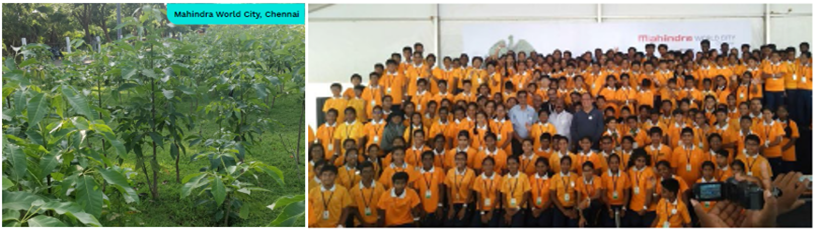
Read about our urban forest at MWC Chennai.
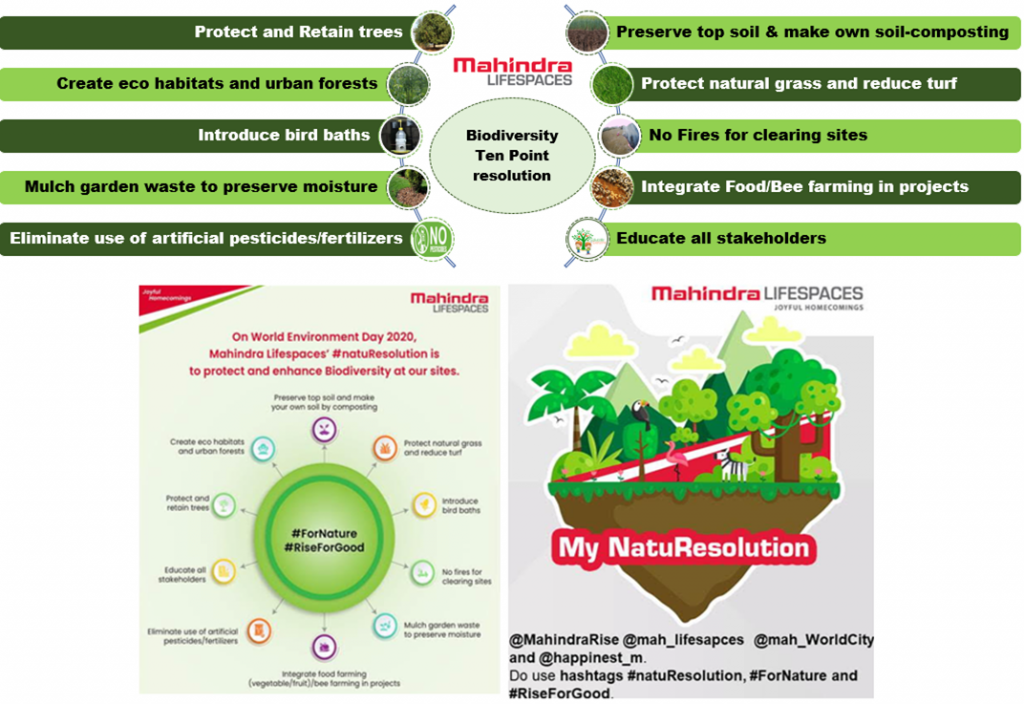
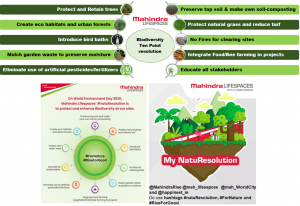
1.3. Our Ten Point resolution on Biodiversity
On World Environment Day, 2020, Mahindra Lifespaces’ adopted a ten-point resolution to protect and enhance biodiversity at our sites.
1.4. Engagement Initiatives on biodiversity conservation
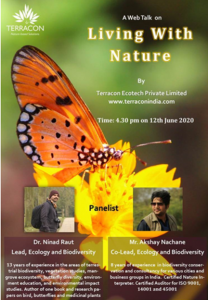
A session for our employees as part of ‘Making Sustainability Personal’ – Associate level engagement program, was conducted on ‘Living with nature’ by Terracon Pvt. Ltd., highlighting the importance of biodiversity and actions that can be taken by real estate developers to conserve it.
Read more about Making Sustainability Personal.
Corporate Governance
Fostering Good Governance
Mahindra Lifespaces believes that sound and effective corporate governance practices serve the long-term interest of our stakeholders including shareholders, customers, suppliers, employees, and community. In keeping with the faith and trust the public has placed in us over the past twenty-five years, we continue to operate with the highest standards of ethical conduct and in compliance with all laws and regulations. We are guided in this pursuit by our governance philosophy, policies, and codes.
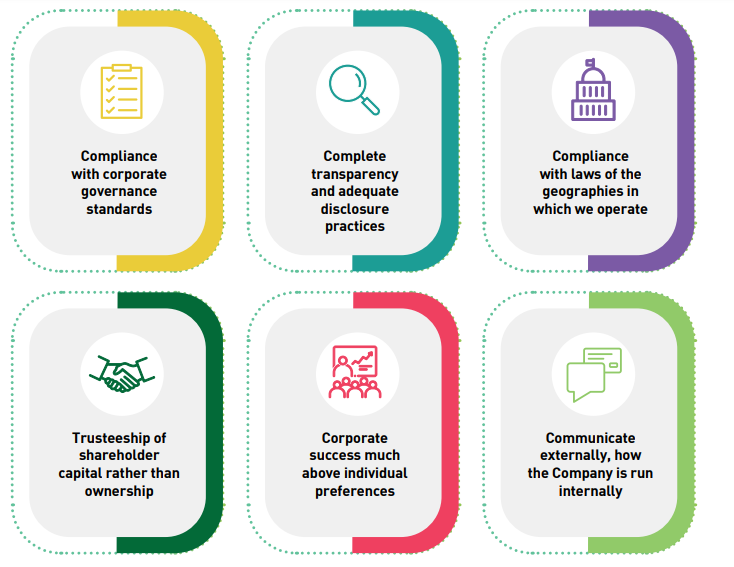
Our Governance Structure
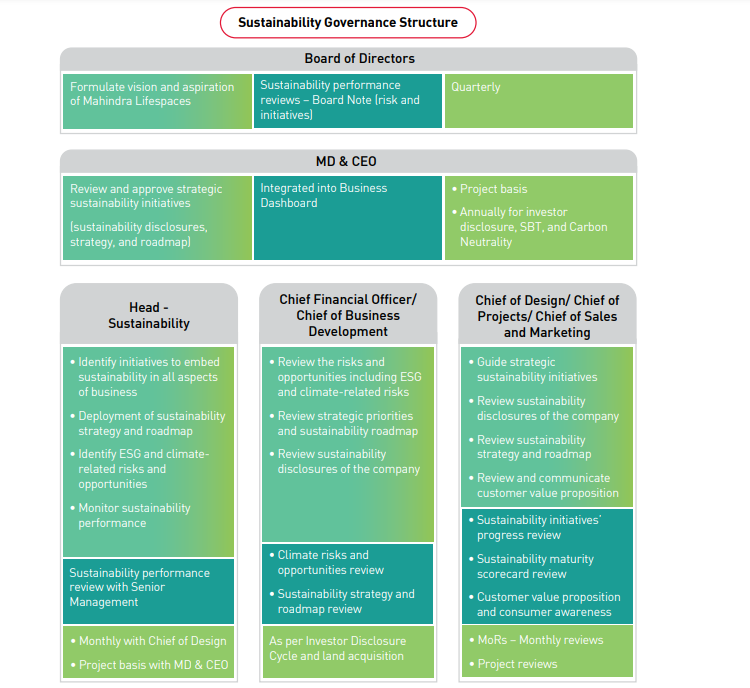
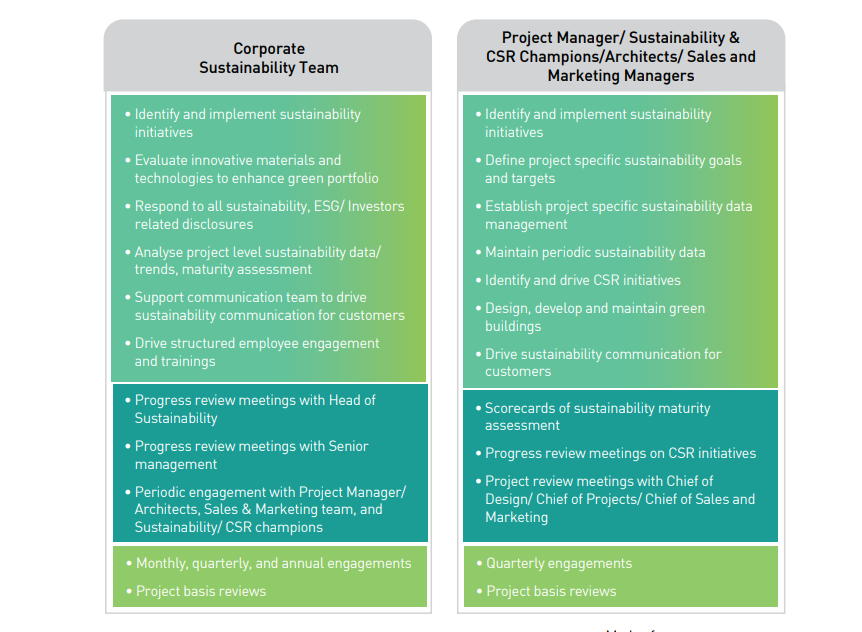
Mahindra Lifespaces has a multi-tiered governance structure with well-defined roles & responsibilities. Spearheaded by Board of Directors (BoD), responsible for overseeing formulation & implementation of our strategy, management of daily activity rests with Chief Executive Officer (CEO) & senior leaders. As on date, the Company’s Board comprises of seven members, including one woman Director.
Further details on the Board and Board committees, composition, responsibilities, and nomination process are available in the Corporate Governance section of our Annual Report
Corporate codes and policies
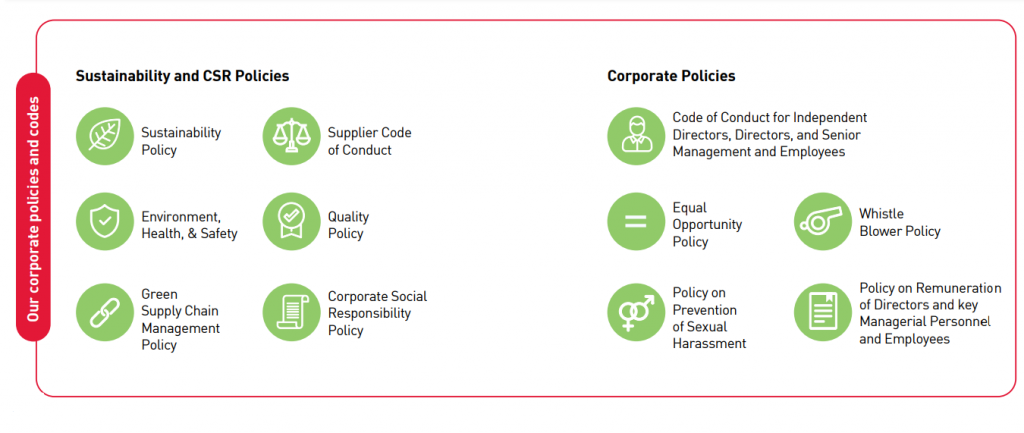
Mahindra Lifespaces’ corporate policies and codes form a key component of the governance framework. They guide our employees and other stakeholders across the value chain to uphold our commitment to ethics, transparency, and sustainability. To enhance transparency, all our policies have been published on our website and disseminated to our employees and supply chain partners through during induction and onboarding. Refresher trainings are also provided through the internal communication portal. Policies are also translated into local languages, wherever required.
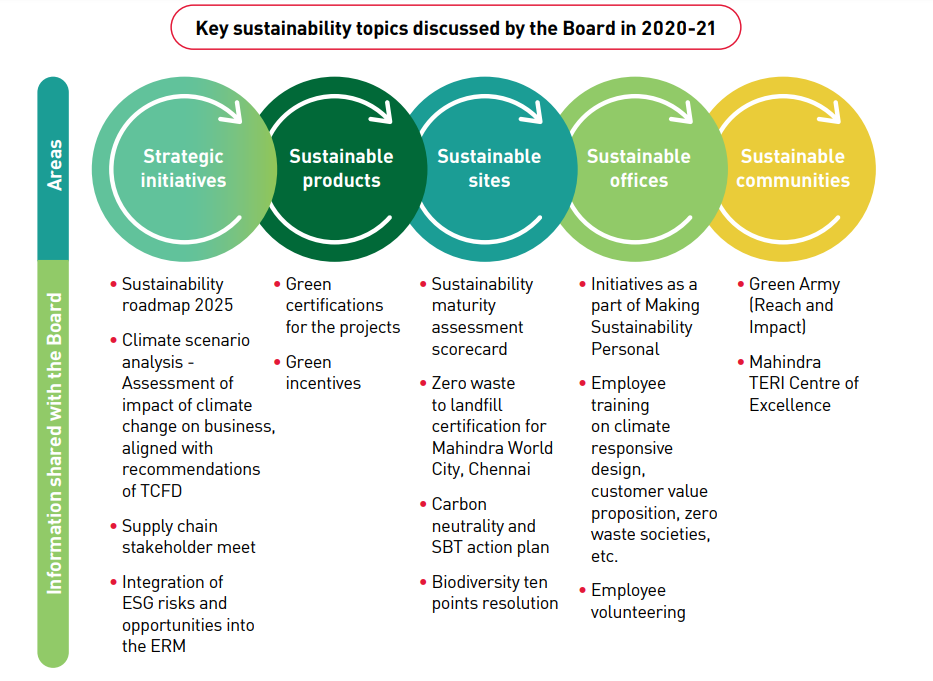
Our array of sustainability related policies provides a foundation for assessing ESG and climate-related risks and integrating sustainability into our operations. The four pillars of our Sustainability Policy – Sustainable Products, Sustainable Sites, Sustainable Offices, and Sustainable Communities – help us in realising our mission and creating greener, safer, and healthier buildings for all. The Green Supply Chain Management Policy and Supplier Code of Conduct reinforce our commitment to reduce our environmental and social impact across the supply chain.
Read more about our policies here
Leadership Commitment to Sustainability
We have integrated sustainability into our existing governance structure to enable strategic oversight of sustainability issues and facilitate long-term value creation. Working closely with the Board of Directors, the senior leadership oversees the implementation of sustainability initiatives by different functions. We also leverage the enterprise risk management (ERM) framework to identify and mitigate ESG & Climate risks and capitalise on opportunities.
Business Ethics and Compliance
We remain steadfast in our commitment of conducting business ethically and with integrity. The Code of Conduct for our Independent Directors, Directors, and Senior Management and Employees communicates our stance of zero tolerance to bribery and/or corruption to our employees. These Codes provide guidance on:
- Recognising and dealing with ethical issues and foster a culture of honesty and accountability
- Conflicts of interest and appropriate disclosures
- Involvement in political activities
- Dealing fairly with customers, suppliers, competitors, regulators, and employees
- Protection and use of Company’s assets, confidential information, and intellectual property (IP) rights, including respecting the IP rights and trademarks of third parties
- Behaviour and conduct at the workplace
- Reporting violations
As a responsible corporate citizen, we expect our employees to comply with all applicable environmental and socio-economic legal frameworks of the country. All of us are expected to know and understand the legal obligations that apply while executing our duties and responsibilities on the job. A strict adherence to regulatory compliances is ensured and every project is launched only after relevant approvals have been procured. This is supported by an inhouse regulatory risk management process that maps emerging regulations, allowing us to have a seamless transition in regulatory regime. We understand the implications of anti-competitive practices on the business and reputation of the Company. Mahindra Lifespaces seeks to compete fairly, ethically, and within the framework of applicable competition laws.
To strengthen our legal accountability, we have streamlined processes related to contractual obligations to customers and litigations. We have implemented measures,
- Streamlined and standardised processes related to customer relationship management (benchmarked with peer industry practices) facilitating the customer’s response related to cancellations, defaults, and other transaction-related decisions;
- Digitisation of legal-handled litigations, providing a macro-level view of region-wise litigations (associated with forfeiture or defects in projects) and enabling root cause analysis to inform business or management perspective
The Corporate Governance Cell periodically reviews the efficacy of the codes and policies and suggests amendments on the basis of market trends, global good practices, and feedback provided by stakeholders. We also conduct periodic review and evaluation of the policies internally through The Mahindra Way (TMW) as well as through Integrated Management System (IMS). All stakeholders can freely communicate their concerns and grievances through vigil mechanism set down in our Whistle Blower Policy.
Mahindra Lifespaces is an advocate for good governance and enhanced transparency and accountability. However, governance practices require constant improvement as the external circumstances change. We regularly evaluate and refine our processes and policies to remain relevant and up-to-date.
Regulatory Compliance
1. Our Management Approach
Mahindra Lifespaces is built on a robust foundation anchored on the core values of the Mahindra Group – Professionalism, Good corporate governance, Customer centricity, Quality, and Transparency. The company operates in a highly regulated sector, which has experienced a drastic shift in regulatory and market dynamics. These changes have been instrumental in providing our customers the rights and provisions for legal actions against any infringement of their rights. However, for Mahindra Lifespaces, the impacts of such changes were minimal as from the very beginning, we have been committed to sustainable business practices, ethical values, and driving positive change in the lives of our stakeholders and communities.
The structural shifts also enables the industry to consolidate and evolve to ultimately benefit the homeowners. As a responsible corporate citizen, we were one of the first real estate developers in India to be fully prepared for the GST regime, as well as share the impact of input tax credit with our customers. We also adopted the Real Estate (Regulation and Development) Act, 2016 framework with alacrity for all our applicable projects. This seamless transition to the new normal was possible because of our ability and willingness to conduct business in the rightful manner. This reinforces that we are not only agile in envisioning the future business environment, but also quick to implement the necessary changes in readiness
for accelerated growth.
All our projects are executed after an in-depth due diligence and sanction of relevant approvals. A strict adherence to socioeconomic and environmental regulatory compliances is ensured and every project is launched only after relevant approvals have been procured. This is supported by an inhouse regulatory risk management process that maps emerging regulations, allowing us to have a seamless transition in regulatory regime. Our policies, procedures, and practices surpass minimum requirement for any regulation, providing us with the support to swiftly implement necessary changes. As a result, no penalties or fines have been imposed by any regulatory authority for noncompliance with any rules and regulations (Economic, Environmental and Socioeconomic), since inception in 1994.
Some of our achievements include,
• Adoption of RERA framework for all our projects.
• Publication of our annual Business Responsibility Report (BRR), in line with SEBI’s notifications and nine principles of the Government of India’s ‘National Voluntary Guidelines on Social, Environmental and Economic Responsibilities of Business’.
• Abiding by the Competition Act, 2002 – a mandatory legislation that deals with anti-competitive behavior and all labourrelated legislations of the Central and State Governments.
Such good practices and track records have enhanced our reputation and helped in reinforcing the confidence of all stakeholders in the company, including investors.
2. Transparency & Disclosures
Sharing our sustainability performance in a timely manner not only makes us accountable for our actions but also enables us to receive feedback. We keep our stakeholders updated on our performance through business responsibility report, website, news articles, social media, and annual sustainability report.
We have been active participants in the Climate Disclosure Projects (CDP) and Global Real Estate Sector Benchmarking (GRESB) assessment. In 2019-20, we were ‘CDP Supplier Engagement leaders’ with supplier engageement rating of ‘A’ and Climate change disclosure rating of ‘B’. Likewise, we ranked 1st in ‘GRESB (Global Real Estate Sustainability Benchmark) Public Disclosure’ and 4th in ‘GRESB (Global Real Estate Sustainability Benchmark) Real Estate Disclosure’.
Thoughtful Leadership Partnership
Our Partnerships for Sustainability
We, at Mahindra Lifespaces, believe that partnership and collaboration is the key to achieving sectoral decarbonisation and circularity. As a part of our commitment to the Sustainable Development Goals, we are directly contributing to the achieving SDG 17 through our partnerships in different initiatives. In 2020-21, our key focus has been to integrate Climate Responsive Design in our projects. We continued to support the Mahindra TERI Centre of Excellence in its pursuit of developing energy efficient homes.
1. Solar Decathlon
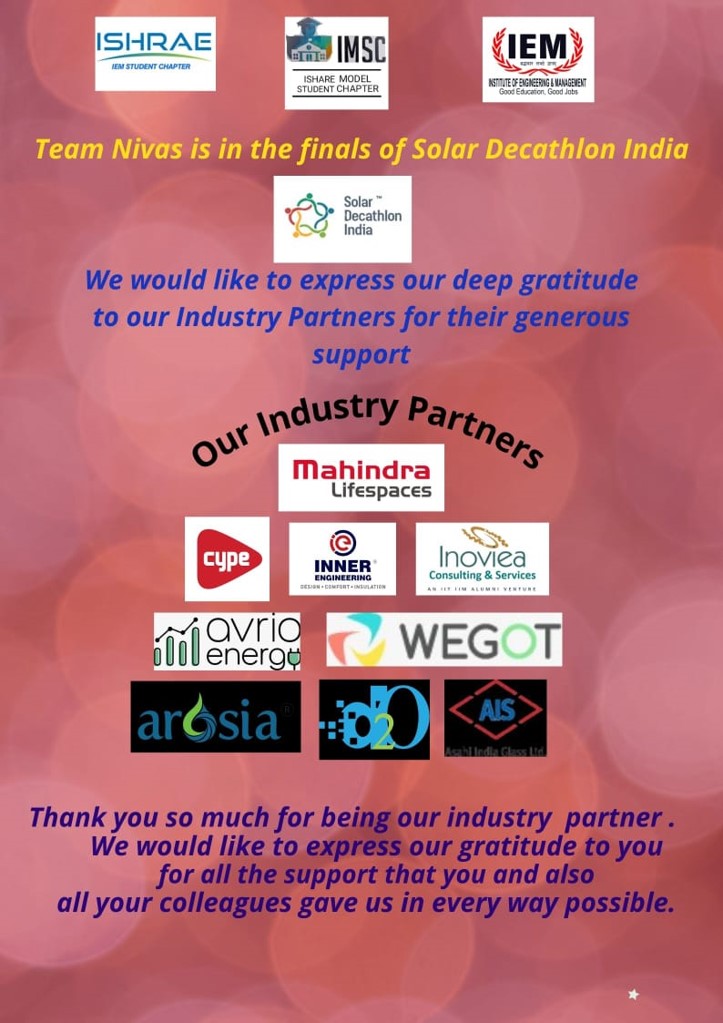
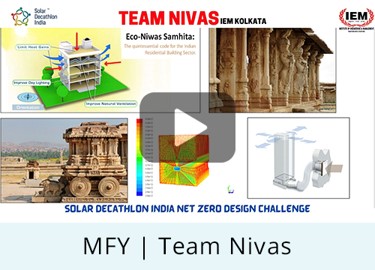
The Solar Decathlon India is a competition conducted by the ‘Indian Institute for Human Settlements’ and the ‘Alliance for an Energy Efficient Economy’ under the aegis of the ‘Indo-US Science and Technology Forum’. It encourages postgraduate and undergraduate students to innovate for net zero-energy, net-zero-water, net-zero-waste and climate resilient buildings. Student teams develop affordable and industry ready solutions for real projects with the help of their mentors. In its first year, Mahindra Lifespaces participated as a mentor to four teams. One of our teams, Team Niwas from the ‘Institute of Engineering and Management’ in Kolkata qualified as one of the 24 finalists.


2. Mahindra Teri Centre of Excellence (MT CoE)
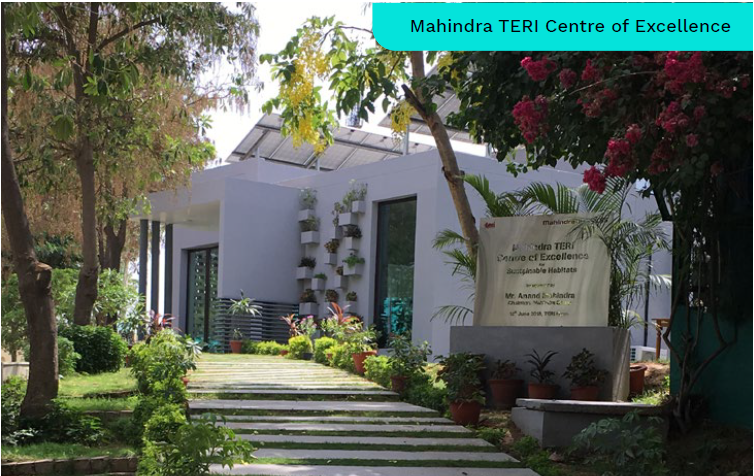
The real estate sector is responsible for more than 30% of the gross electricity consumption. With the lack of climate responsive design in buildings, the energy consumption by the residential and commercial sector is projected to further increase in the coming years, owing to the increased consumption of electrical utilities. On the other hand, the real estate sector provides a huge potential for electricity savings and mitigating GHG emissions using energy efficient appliances and energy efficient features incorporated into the building design and systems.
Mahindra Lifespaces, being a responsible organisation and understanding the future needs of customers, realised the significance of this trend. As a result, the Mahindra-TERI Centre of Excellence (CoE) was launched in June 2018 with the vision to ‘build a greener urban future by developing innovative energy efficient solutions tailored to Indian climate’.
3. Building Energy Efficiency Project (BEEP)
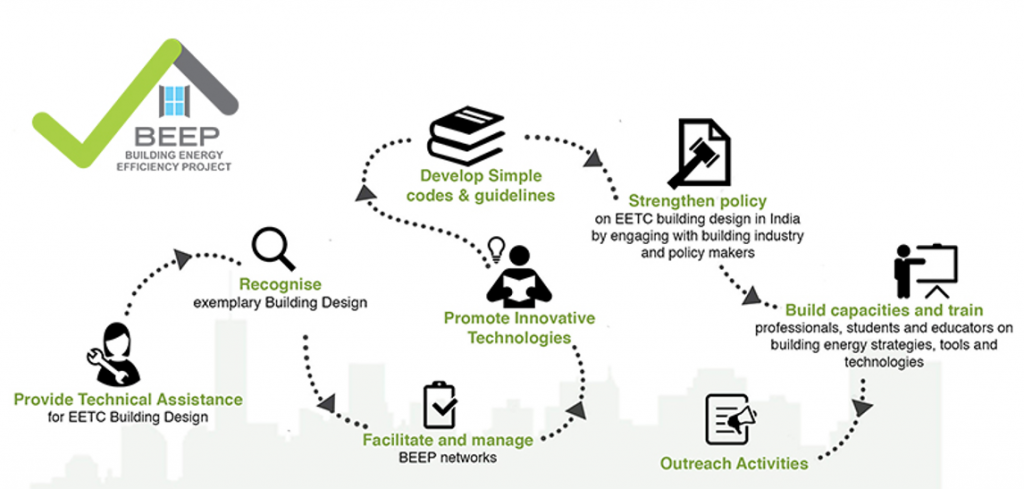
Operational since 2011, the Indo-Swiss Building Energy Efficiency Project (BEEP) is a bilateral cooperation project between the Indian and Swiss Governments, with a focus to help India mainstream energy-efficient and thermally comfortable building design for both commercial and residential buildings. BEEP had provided technical assistance to the Government of India for the development of Eco- Niwas Samhita (ENS), which provides guidelines for climate responsive design to reduce heat gains and air conditioning demand, improve natural ventilation and daylighting.
As a part of the collaboration with Mahindra Lifespaces, BEEP provides guidance to strengthen our design specifications related to climate-responsive design and energy demand reduction and ensure that all future projects are compliant with ENS. Training of our design teams on climate-responsive design is also a key component of the collaboration. In addition, a policy paper is being developed to bring alignment between national energy codes and rating systems.
We also collaborated with IIEC to deploy renewable energy at one of our upcoming residential projects. With the aim to create a net zero energy building, we will deploy wind-solar hybrid system at the residential towers, solar PV system at sales gallery, and purchase green power.
Sustainable Supply Chain
Cascading Sustainable practices through Supply Chain engagement
Any efforts to incorporate sustainability in our operations will not achieve desirable results unless it is cascaded into the supply chain which consists of vendors, suppliers, contractors, and consultants, primarily in India. Recognising this fact, we continued to devote our resources and energies to inculcate the principles of sustainability in our supply chain. Our comprehensive supply chain sustainability program revolves around building the capacities of our partners, periodic engagement, and monitoring.
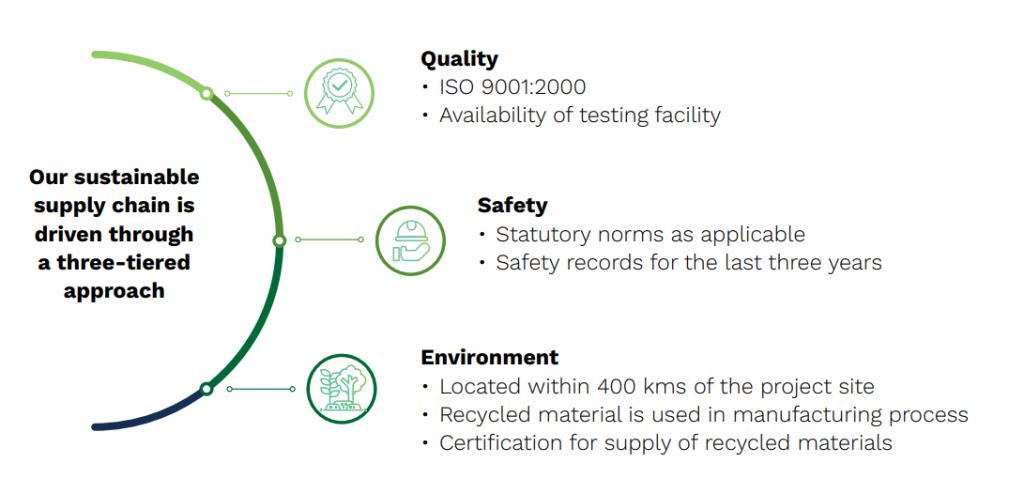
Sustainability in our supply chain is driven by our Green Supply Chain Management Policy (GSCM), which ensures minimal environmental impact of products and services provided to us, and acts as a tool for managing our social and relationship capital. We also strive to reduce the embodied energy of our products by procuring 50% of the total building materials (by cost) from local suppliers within 400 km radius of the projects. This definition has been developed on the basis of requirements of IGBC/GRIHA for green certification.
Our supply chain sustainability program
At the pre-construction phase of the project, we assess and screen all our suppliers on various parameters outlined in the policy such as environment, quality, safety, and human rights practices. A clause on adherence to these parameters, especially human rights is mentioned in the contracts with all suppliers. Similarly, we assess our contractors on environment, health, safety, and quality aspects. Periodic audits of the suppliers are also conducted by the staff to ensure compliance with the contract. As part of the onboarding process, we inform all our suppliers about our processes, practices and expectations from them. Additionally, throughout our association with them, we proactively engage and influence suppliers to embrace operational best practices. We conduct Annual Suppliers meet, where sustainability awareness sessions are conducted. We are also trying to reduce the embodied carbon of our products by sourcing green certified products with recycled content. As a part of our GSCM policy we prefer to procure goods and services from vendors who,
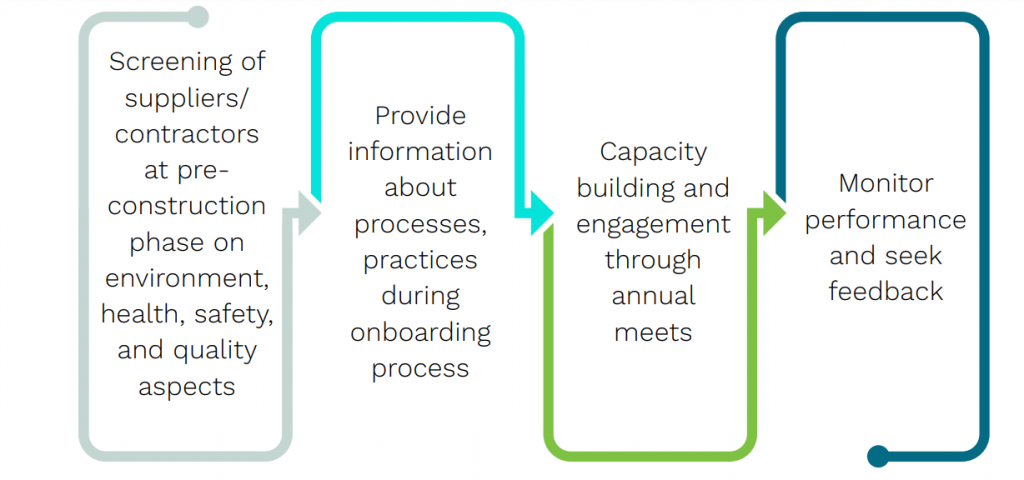
GSCM policy has been modified to reflect our commitment to monitor the supply chain for climate change, environmental, and social risks. Our detailed Code of Conduct for suppliers and contractors spells out their environmental and social responsibility. Compliance with these requirements are a necessity for conducting business with Mahindra Lifespaces. It has defined three levels of standards (Minimum, qualifying, and leadership standards) for the suppliers/ contractors and at minimum, expect them to adhere to minimum standards. We have also introduced a self-assessment tool to enable suppliers/contractors to improve their performance on environmental, social, and governance parameters. The Code of Conduct is dynamic and evolving and will be reviewed on a regular basis. We regularly engage with our supply chain partners to build their capacities and seek feedback to strengthen systems and processes.
We work with our vendors to ensure minimal impact of any events organised by us. We also build the capacities of our consultants on the design features for our products in line with the requirements for green certification and evolving customer requirements. We organised the Suppliers and Contractors Meet at the beginning of 2020 on the theme of ‘future-proofing’, where we shared the vision of sustainability with around 40% of our supplier/contractor base. We continually improve our approach to better realise our goals. We are open to hearing feedback from all stakeholders to strengthen our systems and processes.
Supply Chain Partners
We started our green supply chain management journey nine years ago. We organise stakeholder meets every year to engage with our supply chain partners, share best practices, and recognise partners who have been taking a big leap towards greening their operations. The Annual Stakeholder Meet of 2020 focused on changing contours of the supply chain and the roadblocks to net zero buildings.
Why Green Buildings Matter
Green buildings have been associated with the word ‘incremental costs’. This incremental cost to the developer may come due to use of alternative materials, adoption of renewable energy, green certifications, etc. At the same time, green incentives are also being awarded to developers by several states. For example, Haryana and Pune Municipal Corporation offer additional floor space index (FSI)/ floor area ratio (FAR) for buildings certified green by IGBC/ GRIHA. All products of Mahindra Lifespaces are certified green.
We have a 100% green portfolio since 2013. All our products are certified green. Three of our projects received the highest rating levels of green certification under IGBC and GRIHA rating system. For these products, we also received incentives from the state government/ urban local bodies:
- Luminare Gurgaon (IGBC Platinum) – 16% additional green FSI; equivalent to additional area of 33,585 sq. ft.
- Centralis, Pune (GRIHA 4 Star) – 40% rebate in premium
- Tathawade, Pune (GRIHA 4 Star) – 40% rebate in premium
We assessed the impact of these projects on our revenue as well as the value created for customers.
1. Impact
The additional FSI in Luminare increased our revenue by INR 800 million. While our overall project cost increased in Tathwade, the rebate in premium translated to an incentive of upto INR 32 million and a net profit of INR 20.8 million. Additionally, the green certification allows us to position ourselves as innovators in the industry, while establishing trust with customers and investors. Furthermore, our customers are eligible to receive a rebate of upto 8% in property tax which translates to INR 800 to INR 1,000 per dwelling unit.
We also calculated and compared the total cost of ownership for conventional and green apartment costing INR 5.5 million. Due to reduced maintenance costs, and savings in energy and water bills, the total cost of ownership reduced to INR 7.1 million from INR 7.6 million.
Under the umbrella brand of Lifespaces, We are building multi-family apartments in gated communities in Mumbai, Pune, Bengaluru, and the National Capital Region. We also endeavour to fulfil the aspirations of the emerging middle class in the country to own a home by providing quality housing at affordable prices through our business vertical – Happinest. Green features are common across all our projects.
2. Salient Features of our Sustainable Products
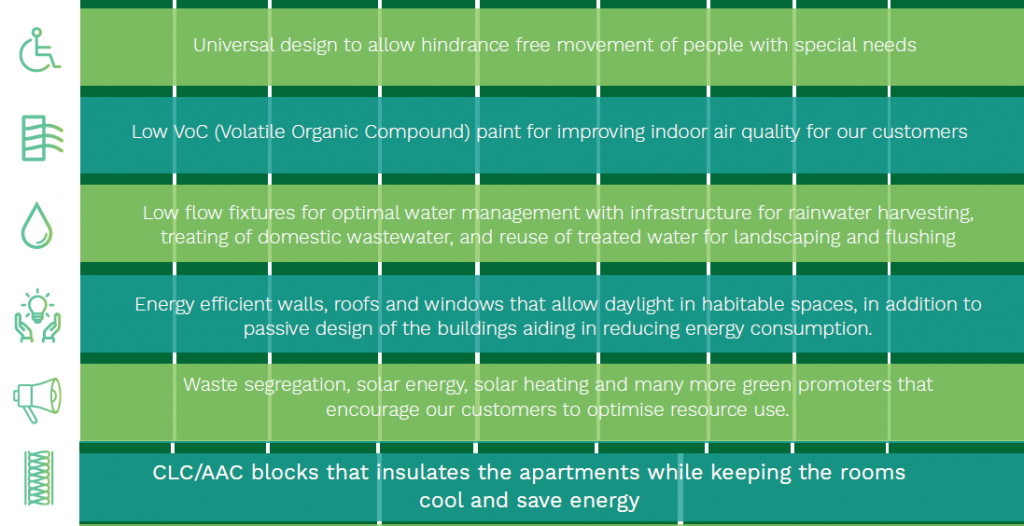
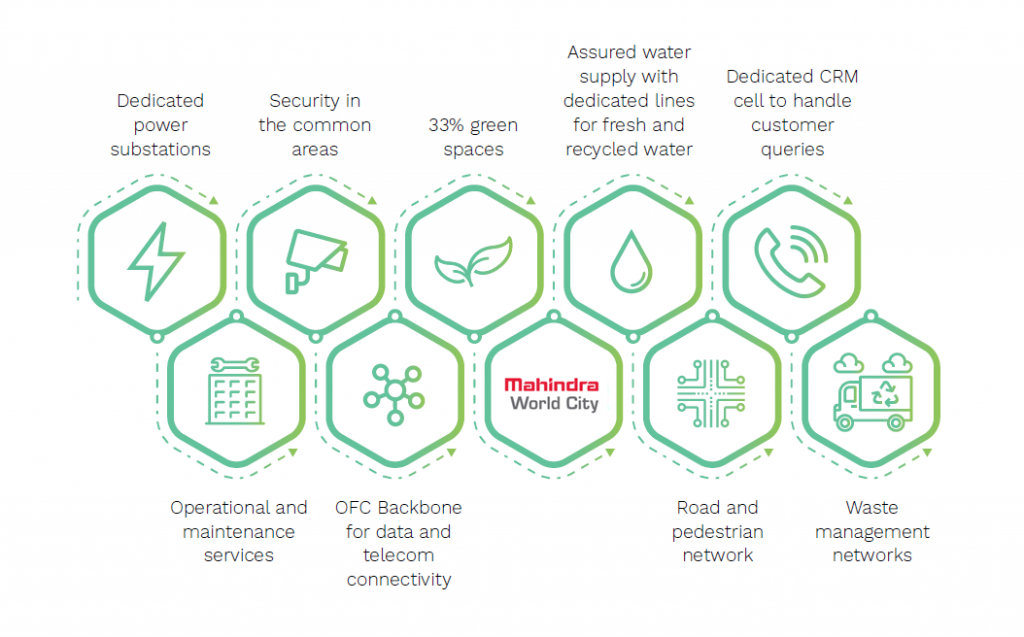
Under the brand name of Mahindra World Cities, we are developing integrated business cities to improve the quality of life, living, and livelihood for our occupants, and provide integrated infrastructure for companies. Built on the philosophy of ‘Livelihood-Living-Life’, these cities break down the traditional ‘wheel and spoke model’ of living and commuting with the mixed-use approach where businesses and residential customers co-exist in a safe, separate, and gated community.