

Popular searches





Builder’s Background Check in India – RERA Guide
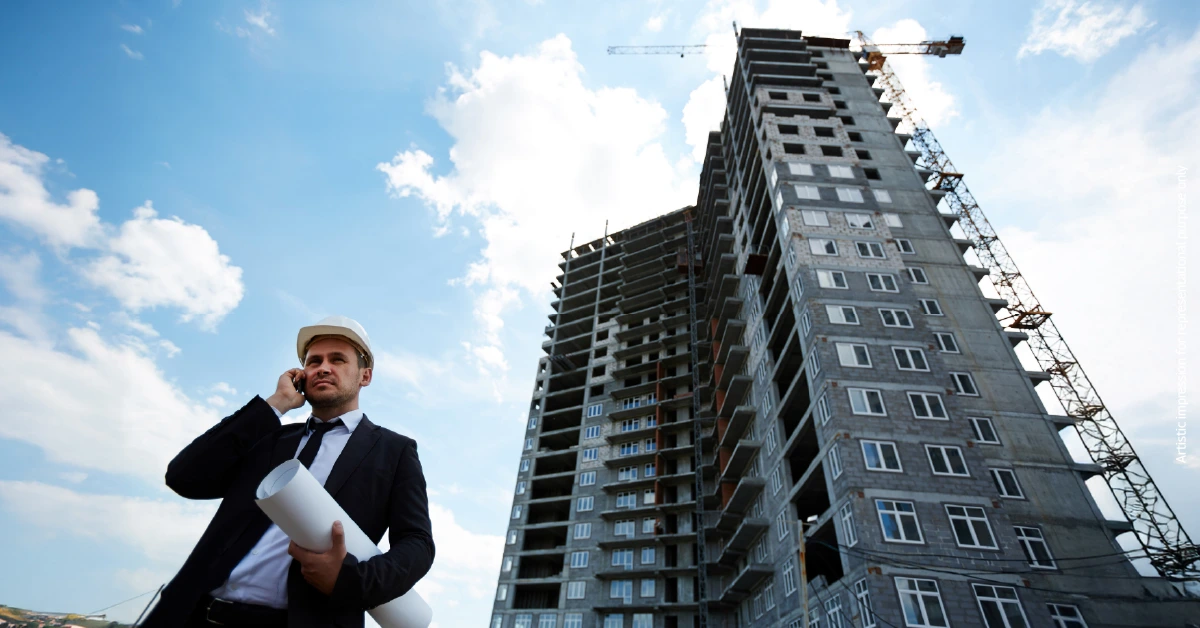
Buying a home is a milestone filled with hopes, plans, and possibilities. From your savings to your dreams, everything goes into that one big purchase. The main factor in this journey is the builder’s credibility.
Choosing the wrong builder can lead to delays, hidden costs, legal trouble, or even incomplete projects. That’s why it’s essential to verify any builder thoroughly before signing on the dotted line.
Builders who value transparency and timely delivery, like Mahindra Lifespaces, set a strong example of what homebuyers should look for before buying a property. After all, trust is built on clear communication and a proven track record.
Before buying a home, it’s crucial to check the builder’s background. A reliable builder ensures transparency, good design, timely delivery, regulatory compliance, and, most importantly, peace of mind to the homebuyers.
On the other hand, neglecting a builder’s track record can lead to unexpected challenges — such as construction delays, poor construction quality, or even legal complications. These risks can impact not only your move-in date but also diminish the overall experience of owning a home.
That’s why understanding the builder’s reputation in India is so important. Factors like past projects, adherence to delivery timelines, and feedback from previous homebuyers offer valuable insights. So, how do you initiate this verification process? Let’s walk you through it, step by step.
Step-by-Step Guide to Verify a Builder’s Credibility
Step 1: Verify the Builder’s Track Record
One of the most important ways to verify a property Builder is by checking their past performance. A builder’s background check helps you understand how reliable they are in terms of project delivery, construction quality, and customer satisfaction.
Start by researching the Builder’s completed and ongoing projects. Were they delivered on time? Were the promised amenities actually/fully provided? This gives you an idea of the builder’s reputation in India.
You can also go a step further and check a builder’s reviews online. Just type the builder’s name followed by terms like “project delay complaints” or “customer feedback”. If possible, visit their older sites and talk to existing residents. First-hand reviews can reveal what brochures won’t.
Step 2: Check Real Estate (Regulation and Development) Act, 2016 (RERA) Registration
The Real Estate Regulatory Authority (RERA) was established to bring accountability and transparency to India’s real estate industry. Verifying a builder begins with checking their RERA registration, making it a critical step in the process.
Visit your state’s official RERA website (for example, https://maharera.maharashtra.gov.in/) and enter the builder’s name or project details to see if they are registered.
A credible builder will have a valid RERA registration number, with access to key project documents like approvals, approved building plans, project layout plan, property/land title details, timelines, and compliance under Section 4 of RERA, which emphasizes strict adherence to the withdrawal and utilization of funds from the separate account maintained by the promoter.
RERA Websites by State
| State | RERA Website |
|---|---|
| Pradesh | Andhra Pradesh RERA |
| Assam | Assam RERA |
| Bihar | Bihar RERA |
| Chhattisgarh | Chhattisgarh RERA |
| Goa | Goa RERA |
| Gujarat | Gujarat RERA |
| Haryana | Haryana RERA |
| Himachal Pradesh | Himachal Pradesh RERA |
| Jharkhand | Jharkhand RERA |
| Karnataka | Karnataka RERA |
| Kerala | Kerala RERA |
| Madhya Pradesh | Madhya Pradesh RERA |
| Mizoram | Mizoram RERA |
| Maharashtra | Maharashtra RERA |
| Odisha | Odisha RERA |
| Punjab | Punjab RERA |
| Rajasthan | Rajasthan RERA |
| Tamil Nadu | Tamil Nadu RERA |
| Telangana | Telangana RERA |
| Tripura | Tripura RERA |
| Uttar Pradesh | Uttar Pradesh RERA |
| Uttarakhand | Uttarakhand RERA |
| West Bengal | West Bengal RERA |
| Chandigarh | Chandigarh RERA |
| Delhi (NCT) | Delhi RERA |
| Puducherry | Puducherry RERA |
RERA also offers peace of mind with built-in homebuyer protections:
-
What is the Defect Liability Period under RERA?
The defect liability period is five years from the date of handing over possession. This means a builder is responsible for rectifying any structural defects or issues with workmanship, quality, or services within that period. The builder must rectify these defects within 30 days of the allottee bringing them to the builder’s notice. If the builder fails to do so, the allottee can receive compensation as per the Act.
-
What is Section 4 of RERA?
It outlines the requirements for the registration of real estate projects. When a builder seeks to register a project, they are required to submit details about the project, including land title, approvals, layout plans, and more.
Additionally, this section emphasizes transparency in the financial management of the project by mandating that the builder deposit 70% of the funds received from allottees into a separate account maintained in a scheduled bank.
These funds can only be utilized for covering the cost of construction and land, ensuring that the money is not diverted to other projects.
Withdrawal from this account must be proportional to the percentage of project completion and certified by professionals such as an architect, engineer, and chartered accountant. Section 4 thereby aims to protect homebuyers and ensure proper utilization of their funds.
If a builder doesn’t have valid RERA registration, it’s best to reconsider. Registration ensures legal accountability and project transparency—key factors in a safe property investment.
Step 3: Check All Legal Approvals and Property Documents
Before investing in a property, make sure the Builder has all the required legal approvals/documents.
This includes title deeds / land ownership papers, land use approval, revenue records, approved building plan, property tax receipts, Commencement Certificate, heigh clearance certificate, Rera registration certificate, Occupation Certificate (post construction) etc.
A thorough builder’s background check should also include reviewing these approvals to avoid legal complications in the future.
If you’re unsure, consult a legal expert to help you check the property documents and confirm everything is in order. Taking this small step can help safeguard you from larger risks in the future , whether you’re planning to buy 2 BHK Flats in Bangalore or any other property.
Step 4: Look at On-Time Delivery History
One of the easiest ways to judge a builder’s reputation in India is by reviewing their history of project delivery. Did they complete projects as promised? Or were there frequent delays and extended possession timelines?
Compare the committed handover dates to the actual ones. A builder who regularly misses deadlines may not be reliable. You can also check online property builder’s reviews or speak to previous homebuyers for honest feedback.
However, it’s equally important to understand the reasons behind delays. While force majeure events such as natural disasters, government restrictions, or other unforeseen circumstances beyond the builder’s control can be unavoidable, credible developers usually take corrective actions to minimize impact.
Always reach out and ask how the builder managed past delivery issues and what measures they implemented to overcome them.
These small checks will help you verify the builder’s performance and avoid unwanted surprises.
Step 5: Visit Sample Flats or Completed Projects
A great way to assess a builder’s credibility is to visit their completed or ongoing projects. This lets you see the construction quality, materials used, and how closely the final product matches their advertising.
Speak with existing residents, if possible – they can share honest insights about the builder’s commitment to timelines, after-sales support, and overall living experience. It also gives you a feel for whether amenities like the clubhouse, lifts, or landscaped gardens were delivered as promised.
This is a great way to assess a builder’s reputation in India beyond online claims.
Step 6: Read Reviews, Ratings, and Homebuyer Testimonials
Checking reviews and feedback from existing homebuyers is a powerful way to understand a builder’s credibility. Look beyond surface-level star ratings — focus on recurring themes such as project delivery timelines, construction quality, and after-sales support.
Instead of relying on just one source, make sure you cross-reference reviews from multiple independent platforms and forums. While a few negative reviews are common, consistent complaints about the same issues (like repeated delays or hidden charges) should be taken seriously.
Additionally, comparing RERA-registered vs. non-registered builders can help you assess credibility at a glance:
| Parameter | RERA-Registered Builder | Non-Registered Builder |
|---|---|---|
| Delivery Timelines | RERA requires timely delivery, and homebuyers are entitled to compensation or interest for any delay beyond the agreed date. | Non-RERA projects often face higher risks of delays, with limited options for homebuyer recourse. |
| Homebuyer Protection | RERA provides a legal platform for quick dispute resolution and homebuyer protection. | Homebuyers have fewer legal safeguards and must rely on lengthy court processes for disputes. |
| Transparency | RERA mandates that builders disclose project details, approvals, financials, and timelines, ensuring full transparency. | Non-RERA projects may lack clear details on approvals, finances, or timelines, making it harder for homebuyers to assess credibility. |
| Dispute Resolution | Homebuyers can escalate issues directly to the RERA authority, which provides a structured and time-bound grievance redressal system. | No dedicated authority for complaints; homebuyers often must depend on lengthy and uncertain legal proceedings. |
| Credibility | Registration under RERA adds reliability, as builders must comply with strict regulations. | Non-RERA builders may not follow standardized norms, raising credibility concerns. |
Step 7: Review the Builder-Homebuyer Agreement Carefully
The builder-homebuyer agreement is a legally binding document – don’t skip the details. This agreement should clearly outline the flat details, car parking details, payment schedule, construction milestones, delivery date, cancellation policy, penalty clauses (for both sides) and inclusion of non-negotiable clauses as per RERA. Watch out for vague clauses or missing comments.
If anything feels unclear, consult a legal advisor before signing any document. A credible builder will always be transparent about pricing, inclusions, timelines etc- and will readily provide access to all necessary documents.
Checking this agreement is an important part of your builder’s background check and helps you spot hidden costs or unclear terms before it’s too late.
What If Things Go Wrong? Know Your Rights
Even when you do all the right checks, things can still go wrong. That’s why it’s important to know your legal protections as a homebuyer in India. Thanks to laws like RERA and consumer protection rules, homebuyers have support. Here’s what you should be aware of:
-
Structural Defects Are Covered for 5 Years
In case any structural defect or any other defect in workmanship, quality or provision of services or any other obligations of the Builder as per the agreement for sale relating to such development is brought to the notice of the Builder within a period of five years by the allottee from the date of handing over possession, it shall be the duty of the promoter to rectify such defects without further charge, within thirty days, and in the event of builder’s failure to rectify such defects within such time, the aggrieved allottees shall be entitled to receive appropriate compensation in the manner as provided under this Act.
The structural defect liability of 5 years is generally not applicable to certain non-structural elements such as fixtures and fittings, including cabinets, countertops, plumbing, and electrical installations.
It also excludes damage caused by normal wear and tear, aging, or external factors like natural disasters and accidents. Additionally, any defects arising from alterations or modifications made by the property owner after possession are not covered.
Physical damage caused by residents themselves such as cracks, breakages, or mishandling is also excluded from DLP coverage. Issues stemming from improper maintenance or neglect by the owner fall outside the scope as well. For precise information, it is always advisable to review the terms of the agreement or consult a legal advisor.
-
You Can Take Action for Delayed Possession
- – If the property builder fails to deliver your home on time, you can:
- – File a complaint with your State RERA Authority
- – Approach the Consumer Court for delay-related compensation
If the property builder fails to deliver your home on time, homebuyers are not left without remedies. You can file a formal complaint with your respective State RERA Authority, which has the power to impose penalties and direct compensation for delays.
Alternatively, you may also approach the Consumer Court to claim compensation for the inconvenience and financial burden caused by the delay. Both platforms give homebuyers a legal framework to hold builders accountable and ensure their rights are protected.
-
RERA Allows Penalties and Compensation
Homebuyers have the right to seek interest, a refund, or compensation if a builder fails to meet deadlines or does not fulfill commitments as agreed under the registered Agreement.
-
Legal Protection Brings Peace of Mind
Knowing that the law supports you builds confidence. Whether it’s about quality, delays, or project terms, RERA ensures accountability and fairness in the process.
Why Homebuyers Trust Mahindra Lifespaces
Choosing a builder you can trust is just as important as choosing the home itself. With Mahindra Lifespaces, homebuyers are not just purchasing a property – they’re investing in peace of mind, quality, and a brand that prioritizes people above all else.
Here’s why thousands of families across India continue to trust Mahindra Lifespaces:
-
A strong legacy of over 25 years
Backed by the Mahindra Group, Mahindra Lifespaces brings decades of experience and reliability to the real estate sector, with a clear focus on sustainable and customer-centric development.
-
Every project is RERA registered
All our projects are fully compliant with RERA regulations, ensuring you receive legal transparency, documented timelines, and homebuyer protection from the outset.
-
Consistent on-time delivery
We understand how important timelines are. That’s why we take pride in completing and delivering homes as promised ensuring there are no unexpected delays. However, delivery schedules remain subject to force majeure conditions beyond our control.
-
Transparent, ethical practices
From clear paperwork to honest communication, our process is built to be simple and stress-free for homebuyers at every step.
-
See it before you decide
We invite you to visit our ongoing projects and sample flats to experience the quality, planning, and thoughtful design we build into every home – whether it’s modern 2 BHK Flats in Pune premium residences in other cities.
Looking for a home you can trust? Book a site visit with Mahindra Lifespaces today – where credibility meets comfort, and every home is built to last.
Peace of Mind Begins with the Right Builder
When it comes to buying a home, the Builder you choose makes all the difference. The right Builder delivers more than properties — they provide trust, quality, and long-term confidence. By researching their background, checking legal approvals, and reviewing their past work, you can reduce stress and safeguard your investment for the future.
The right home starts with the right builder. Make your move with confidence. Explore Mahindra Lifespaces projects and book your visit today.
Start your journey with Mahindra Lifespaces — explore our projects and take the first step towards your dream home.
FAQs
How to check a property builder’s credibility before buying property in India?
When looking to buy property, ensure you research the builder’s past work, legal approvals, and customer reviews. A trusted builder will have a clear history of delivering quality homes on time and with transparent processes.
How can online reviews help in verifying a builder’s credibility?
Online reviews highlight real experiences of homebuyers, giving insights into the builder’s track record on timely delivery, construction quality, and customer service. Consistent positive reviews strengthen credibility, while repeated complaints can be a warning sign. Always cross-check feedback across multiple platforms for accuracy.
What should I do if I suspect a builder is not credible?
If you doubt a builder’s credibility, verify their RERA registration, check legal approvals, and review past project deliveries. Speak to existing homebuyers for first-hand feedback. In serious cases, you can file a complaint with the State RERA Authority or approach the Consumer Court for protection.
Why is Mahindra Lifespaces considered a trustworthy builder?
Mahindra Lifespaces is trusted for its RERA-compliant projects, transparent dealings, and timely delivery. With decades of experience and a commitment to sustainability, it consistently delivers homes that meet promised quality standards, making it one of the most reliable real estate brands in India.
Why is it important to visit sample flats or completed projects before buying a home?
Visiting a sample flat or completed project helps you assess the actual construction quality, layout, finishes, and space utilization. It also builds confidence that the builder delivers what is promised in brochures or advertisements, reducing the chances of disappointment later.
How can I avoid hidden costs when buying property from a builder?
To avoid hidden costs, review the builder-homebuyer agreement carefully and ask for a detailed cost sheet that includes GST, maintenance charges, parking, registration, and other fees. Choosing a RERA-registered project ensures transparency, as builders are required to disclose all charges upfront.
What should I do if the builder delays possession of my property?
If possession is delayed, you can first engage with the builder to understand the reason and proposed timeline. For unjustified delays, RERA allows homebuyers to claim compensation or interest. You can also escalate the issue to the RERA authority or Consumer Court if needed.
What should I look for in the builder-homebuyer agreement?
The builder-homebuyer agreement should clearly state the possession date, payment schedule, construction specifications, penalties for delays, and refund policies. Ensure it also mentions dispute resolution mechanisms and covers structural defect liability for 5 years, as mandated under RERA.
What documents should I check before buying property from a builder?
Key documents to verify include RERA registration certificate, title deed, approved building plan, land use certificate, encumbrance certificate, and No Objection Certificates (NOCs) from authorities. Reviewing these ensures the project is legally clear and protects you from future disputes.
Why is RERA important when buying a property?
RERA (Real Estate Regulatory Authority) plays a vital role in safeguarding the interests of property homebuyers by promoting transparency, accountability, and fair practices in the real estate sector. Established under the Real Estate (Regulation and Development) Act, 2016, RERA ensures that developers provide complete disclosures about project approvals, timelines, and specifications, enabling homebuyers to make informed decisions.
It also enforces timely delivery of projects and protects homebuyers from fraud or delays. Additionally, RERA provides a grievance redressal mechanism, allowing homebuyers to resolve disputes efficiently. By establishing strict regulations and monitoring compliance, RERA enhances trust and credibility in real estate transactions, making it an essential aspect when buying property. .
What is Section 4 of Real Estate (Regulation and Development) Act, 2016?
Real Estate (Regulation and Development) Act, 2016 governs the process of registering real estate projects with the Real Estate Regulatory Authority (RERA). It mandates that builders must submit an application in the prescribed format, accompanied by necessary documents and fees, to ensure project registration.
This section emphasizes transparency, requiring promoters to provide detailed information about the project, including layout plans, sanctioned plans, land titles, and the timeline for project completion. Additionally, Builders must declare that 70% of the funds collected from homebuyers will be deposited into a separate bank account and utilized solely for construction and land costs.
They must also disclose any ongoing legal disputes related to the project. By enforcing these requirements, Section 4 enhances accountability, protects homebuyers’ interests, and fosters trust in real estate transactions.