

Popular searches





What is Property Tax in India? Types, Rates & Payment Guid
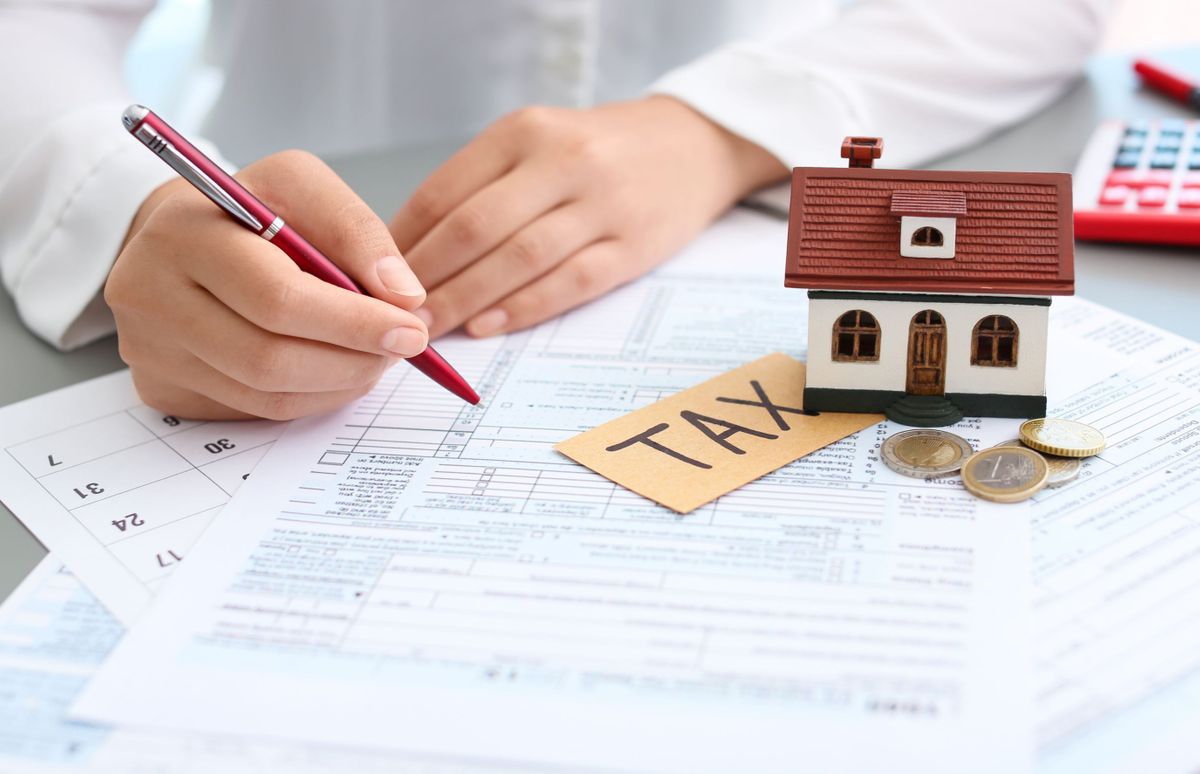
Ever wondered why homebuyers must pay property taxes every year? Understanding this tax is as crucial as owning a home itself. In a country where urban development is evolving rapidly, understanding property taxes can help you make informed decisions about your homeownership journey.
These taxes do more than fulfil a legal formality. They play a vital role in building better communities. The funds collected are used to develop local infrastructure, including roads, drainage systems, public transportation, waste management, schools, and street lighting. Paying property tax in India isn’t just a legal obligation – it’s your way of contributing to a vibrant, well-maintained community.
As a responsible developer, Mahindra Lifespaces is committed to empowering homebuyers with a clear understanding of every aspect of homeownership, including essential insights into property tax laws in India. After all, financial literacy is the foundation of responsible and stress-free homeownership.
What is Property Tax and Why Does It Matter?
Let’s understand what property tax is and why it’s such an important part of homeownership.
Property tax is a recurring charge imposed by local municipal authorities on real estate owners – including taxes applicable when buying a property. This mandatory levy applies to all types of properties: residential homes, commercial spaces, and even rented properties.
The tax amount is calculated as a percentage of your property's assessed value, with variations based on:
- Property size and location
- Type of property (residential/commercial)
- Usage (owner-occupied/rented)
While often confused with one-time stamp duties during purchase, property tax is an ongoing obligation that continues annually throughout your ownership. These funds directly support essential local services like roads, sanitation, and public safety in your community.
It’s essential to note that the property tax rate in India varies across the country. Each city and municipal body has its own system and formula for calculating the tax, which is why homebuyers must stay updated on their local regulations.
Paying real estate tax in India is a legal obligation. Delayed or non-payment can result in penalties, legal action, or even the suspension of municipal services to your property.
Your contributions support local public services, including waste collection, road repairs, public transportation, street lighting, schools, and sanitation. Simply put, paying property tax ensures a smoother life for you and a better environment for everyone around you.
Different Property Taxes in India
Not all property taxes are the same. Here’s a breakdown of the various kinds you might come across as a property owner in India.
-
Municipal Property Tax
This is the most common and well-known form of property tax in India. Collected by local municipal bodies like MCGM (Mumbai), BMC (Bengaluru), or PMC (Pune), it’s typically paid annually or biannually.
Different cities use different calculation methods. For instance, Mumbai uses the Capital Value System, while Delhi uses the Unit Area Value System. That’s why knowing about different property tax payment methods in India is always helpful.
-
Stamp Duty and Registration Charges
These are taxes on the purchase of property in India and are payable only once at the time of purchase. They’re essential for getting the property legally registered in your name. The amount you’ll pay isn’t fixed nationwide; it can vary depending on the property’s location. Different states have their own rates and regulations regarding these fees.
How to Calculate These Costs?
Since rates vary by state, here’s what buyers should check:
- State Government Websites: Most states provide stamp duty calculators (e.g., Maharashtra Stamp Duty Calculator).
- Property Value & Location: Urban areas often have higher rates than rural ones.
- Gender & Category Discounts: Some states offer lower rates for women buyers or first-time homebuyers.
How is Property Tax Calculated?
While there are city-specific variations, the following components usually form the basis of calculation:
- Location of the property (Zone or ward).
- Type: Residential, commercial, or industrial.
- Usage: Self-occupied or rented.
- Area: Carpet area or built-up area.
- Age of the property
Common Calculation Methods
Below is a table summarising the three most widely used property tax calculation systems in India:
| Method | Used In | Formula Overview |
|---|---|---|
| Unit Area Value System | Delhi, Hyderabad | Property Tax = Annual Value x Rate of Tax |
| Capital Value System | Mumbai | Property Tax = Tax Rate x Capital Value |
| Annual Rental Value System | Chennai, older parts of Kolkata | Property Tax = (Monthly Rental Value x 12) – 10% |
Let’s take an example. Say you own a 1,000 sq. ft. residential property in Mumbai. Here’s how your property tax might be calculated using the Capital Value System:
-
Determine the Capital Value:
Suppose the municipal authority has assigned a capital value of ₹8,000 per sq. ft. for your area.
So,Capital Value = 1,000 sq. ft. × ₹8,000 = ₹80,00,000
-
Apply the Tax Rate:
Let’s assume the property tax rate is 0.316% (this may vary based on usage, location, and other factors).
So,Property Tax = ₹80,00,000 × 0.316% = ₹25,280 per year
Here’s how you can calculate the final property tax in India for this property.
When and How to Pay Property Tax?
Timely payment of your property tax keeps you on the right side of the law. Here’s how and when to pay property tax in India.
- Payment Frequency
Most municipal bodies require property taxes to be paid on an annual or semi-annual basis. Delays may incur fines or interest charges. Many cities also offer early-bird discounts (e.g., NMCC offers a 10% discount for timely payments).
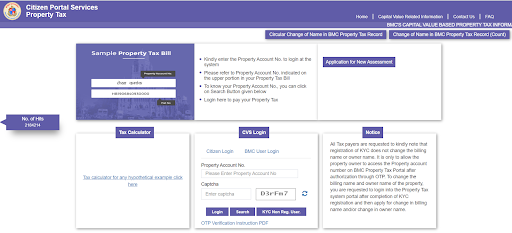
- Online Payment Process
Paying property tax online is easier than ever:
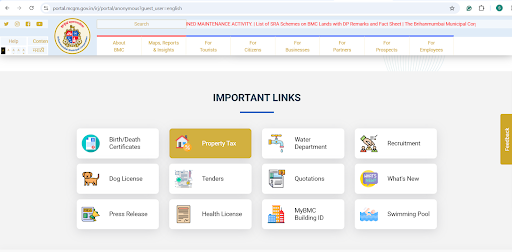
- Visit your city’s municipal website (e.g.,
https://portal.mcgm.gov.in/irj/portal/anonymous?guest_user=english ). - Click on ‘Property Tax’.
- Enter your property ID or zone/ward details.
- View dues and make payments via net banking, UPI, or cards.
- Download your receipt instantly.
- Offline Payment (If Available)
You can also pay at authorised municipal counters. Carry necessary ID or proof of ownership. Payments are usually accepted via cheque or demand draft. Make sure to collect a physical receipt for record purposes.
Tips to Manage Your Property Tax Smartly
Being proactive and organised can help you stay ahead of deadlines and even save money. Here’s how to manage it smartly.
- Set yearly calendar reminders or enable auto-debit (if available).
- Keep digital and physical copies of receipts handy during resale or home loan processing.
-
Claim rebates if eligible:
- Self-occupied properties.
- Properties owned by senior citizens.
- Women property owners.
- Ex-servicemen.
- Disabled homeowners.
- Use official property tax apps or digital wallets to track your dues.
- Always update your name and address in the municipal record post-sale or inheritance.
If you’re purchasing a property from Mahindra Lifespaces, essential documentation, such as RERA-compliant details on property tax obligations and payment schedules, is clearly outlined for you from the start.
Your Journey to Smarter Homeownership Starts Here
Understanding property tax involves more than just legal compliance. It’s about building and supporting the communities in which we live. By staying informed and proactive, homebuyers ensure a smooth ownership experience and contribute meaningfully to civic growth.
As a trusted developer, Mahindra Lifespaces is committed to building sustainable homes and nurturing knowledgeable communities. Ready for your next move or just starting your homeownership journey? Turn to Mahindra Lifespaces for trusted guidance, transparent processes, and a better way to live.
FAQs
1. How do I find my property tax ID?
You can usually find your property tax ID on past tax receipts or bills. If you don’t have one, visit your local council’s website. Many portals allow you to search using your name, property address, or ward number. You may also contact the local municipal office for assistance in retrieving your property tax identification.
2. Is property tax different from income tax?
Yes, they’re entirely different. Property tax is imposed by local authorities on the real estate you own. Income tax, on the other hand, is collected by the central government on the Income you earn. While income tax depends on your earnings, property tax relates solely to the ownership of land or buildings.
3. Can I pay Property tax for multiple years together?
Yes, most councils allow backdated payments for missed years. In some cases, you might even receive a discount or relief from penalties when clearing outstanding amounts in one go. It’s advisable to check with your local authority for specific policies or payment plans for overdue property taxes.
4. What happens if I miss a property tax deadline?
Missing the deadline can result in late fees or added interest. If payments continue to be delayed, authorities may issue legal notices or, in severe cases, disconnect utilities or take recovery action. It’s best to pay on time to avoid complications and extra charges.
5. Are there exemptions for first-time homeowners?
Some municipalities offer reduced rates or partial exemptions for first-time homebuyers. These benefits vary depending on the city or region. To find out if you’re eligible, contact your local council or check their official website for specific criteria and application procedures.
6. Are there penalties for providing incorrect property details?
Yes, submitting inaccurate property information can lead to penalties, revaluation, or legal consequences. Local authorities may reassess your tax or take corrective action based on the severity of the false declaration. Always ensure your property details are accurate and up to date to avoid any issues.
7. Can I appeal if my property tax assessment is too high?
Yes, if you believe your property has been overvalued, you can file an appeal with your local municipal body. Provide supporting documents, such as sale deeds or valuation reports, for a reassessment. Each council has its own process, so consult their guidelines for submitting an appeal properly.