

Popular searches


Understanding CAM Charges in Indian Real Estate: A Complete Guide
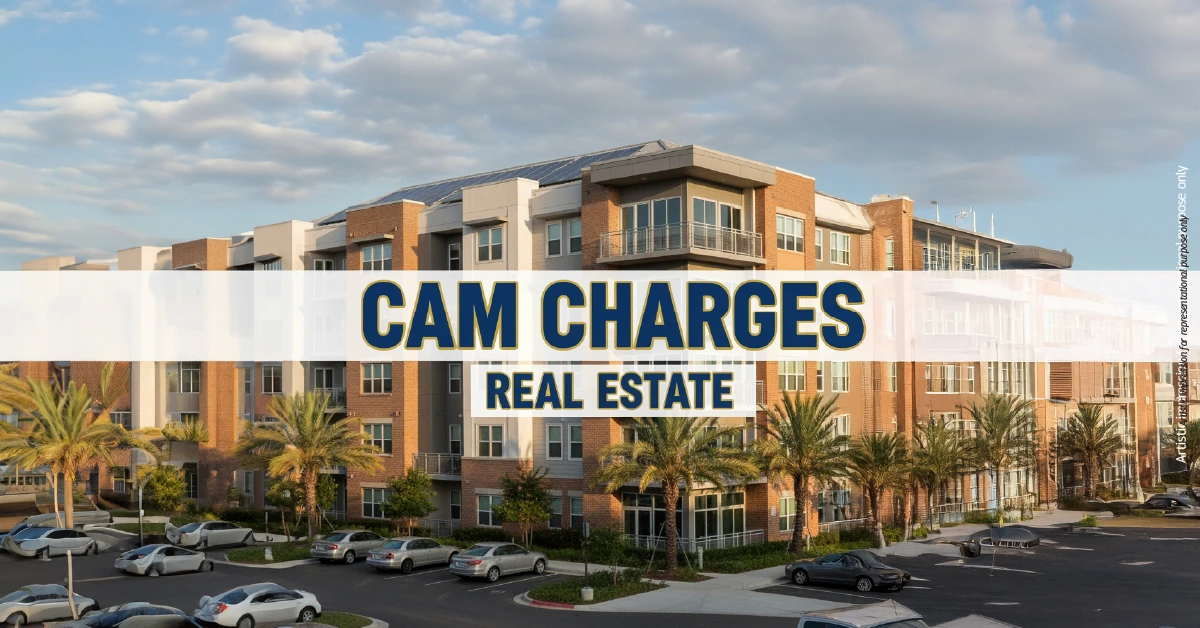
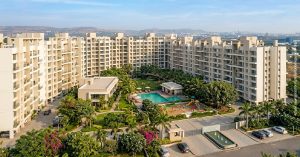
Modern Indian real estate is no longer just about four walls and a parking spot. With the rise of gated communities, high-rises, and integrated townships, shared amenities like clubhouses, landscaped gardens, elevators, and 24/7 security have become standard expectations.
But keeping these shared spaces functional and well-maintained comes at a cost, and that’s where Common Area Maintenance (CAM) steps in.
CAM charges are the silent engine that powers your residential lifestyle. These fees cover things like manpower wages, AMC, technical maintenance, insurance, club house expenses, etc helping to keep your environment safe and clean. However, many homebuyers don’t understand what these charges include or how they are determined.
In this guide, we’ll decode CAM real estate terms, break down typical CAM expenses, walk you through CAM budget planning, and help you interpret your monthly bills with confidence. If you’re planning to buy a home in India, understanding CAM is no longer optional – it’s essential.
What is CAM in Indian Real Estate?
Common Area Maintenance (CAM) refers to the charges collected from apartment or unit owners to cover the upkeep of shared spaces within a housing project. These include essential areas like clubhouses, corridors, security checkpoints, lobbies, gardens, maintenance of assets and other amenities that contribute to the overall living experience. It helps maintain the quality and value of your community.
In large residential communities and commercial complexes—especially in metropolitan areas like Mumbai, Pune, Bangalore, and the Delhi NCR—CAM has become a standard practice. Whether it’s a high-rise apartment or a co-operative housing society, CAM ensures that the spaces used by all residents stay clean, safe, and functional.
CAM Under RERA
Under the RERA law, developers are required to clearly state CAM charges and terms in the sale agreement. This includes details about estimated costs, payment due dates, and any potential price increases, ensuring buyers have clear information from the outset.
Whether you’re purchasing your first home or investing in commercial property, understanding CAM charges is essential to budgeting and long-term planning. Explore our premium flats in Chennai below 2 crores today.
What is Included in CAM Charges in India?
CAM charges in Indian housing societies go beyond just sweeping the hallways. They provide all the necessary services and support to keep shared spaces clean, safe, and function properly for residents.
Here’s a breakdown of what’s typically included in Common Area Maintenance (CAM)
- Cleaning and Janitorial Services: For maintaining the cleanliness of shared spaces.
- Repairs and Maintenance: AMC of electromechanical assets like elevators, HVAC firefighting systems, and other common facilities.
- Security: Expenses for security personnel, surveillance systems, or access control.
- Landscaping: Maintenance of outdoor spaces like gardens, lawns, or pathways.
- Property Management Fees: Costs associated with managing the property.
- Generator and power backup – Electricity supply for lifts, lobby lights, and other common areas during power cuts.
- Water treatment and plumbing systems – Maintenance of water supply infrastructure and STP (Sewage Treatment Plant) operations.
- Landscaping and gardening – Upkeep of lawns, trees, plants, and overall greenery.
- Clubhouse, gym, and swimming pool maintenance – Cleaning, staffing, and equipment servicing for recreational facilities.
- Garbage collection and pest control – Daily sanitation services and preventive pest treatments.
- Fire safety systems: Regular checks of alarms, extinguishers, and sprinkler systems.
CAM Utilities and CAM Insurance
Some projects also include CAM Utilities, which refer to shared electricity and water costs for common spaces. Additionally, CAM Insurance may be charged to cover damage or liability related to shared infrastructure, such as roofs, lifts, and boundary walls.
In essence, CAM includes routine, preventive, and emergency servicing of all shared infrastructure. It ensures the community functions smoothly while protecting your long-term property value.
By understanding what your CAM charges cover, you can make more informed decisions as a homeowner or buyer—and ask the right questions during the purchase process.
Types of CAM (Common Area Maintenance)
-
Building CAM
Description:
Building CAM refers to expenses related to the maintenance and operation of shared areas within a specific building. These costs are generally shared by all owners or tenants of the individual building and are specific to its infrastructure.
Examples of Building CAM Costs:
- Repairs and upkeep of building systems such as elevators, lighting, plumbing, and HVAC systems.
- Services specific to the building (e.g., guards, CCTV, housekeeping for the building alone).
-
Federation CAM
Description:
Federation CAM pertains to expenses incurred for maintaining and managing shared spaces and facilities that span across multiple buildings or towers within a larger gated community or township. These charges are overseen by the central federation or governing body of the community.
Examples of Federation CAM Costs:
- Maintenance of roads, pathways, and landscaping across the community.
- Services for the entire gated community (e.g., main entrance gate security and CCTV monitoring, cleaning and upkeep).
-
Club CAM
Description:
Club CAM refers to costs related to maintaining and operating clubhouse facilities and other recreational amenities within the community. These charges are collected from residents who have access to and utilize these services.
Examples of Club CAM Costs:
- Maintenance of gym equipment, swimming pools and utility costs related to club.
- Salaries for staff managing recreational facilities, such as trainers, lifeguards, and event coordinators.
| Type of CAM | Scope | Key Facilities/Areas Covered | Managed By |
|---|---|---|---|
| Building CAM | Specific to one building/tower | Corridors, elevators, staircases, HVAC systems | Building management team |
| Federation CAM | Community-wide | Roads, parks, security for gated community | Federation or association |
| Club CAM | Recreational facilities | Clubhouse, gym, swimming pool, sports facilities | Club management or association |
Mahindra Lifespaces: A Model for Sustainable CAM in Real Estate
Mahindra Lifespaces sets a benchmark in CAM property management by integrating sustainability and efficiency into its commercial developments. Our approach includes:
- Smart energy monitoring for standard utilities.
- Rainwater harvesting and waste segregation systems.
- Eco-friendly maintenance practices to reduce recurring CAM costs.
These thoughtful design principles lead to optimized CAM expenses, better tenant experience, and long-term value – all aligned with Mahindra’s commitment to green, future-ready spaces.
How to Calculate CAM Charges in India?
One of the most frequently asked questions by homebuyers is:
How are Common Area Maintenance (CAM) charges calculated in India?
The answer lies in a simple formula that’s commonly used across Indian residential societies and commercial spaces:
- CAM Charges = (Total Common Area Expenses ÷ Total Super Built-up Area)× Your Flat’s Super Built-up Area
Let’s break it down with a real-world example:
Suppose the annual CAM budget of a housing society is ₹12 lakh, and your flat makes up 2% of the total super built-up area. Your share of CAM would be:
- ₹12,00,000 × 2% = ₹24,000 per year Which means ₹2,000/month as your CAM charges
Note: CAM charges are based on the super built-up area, not the carpet or built-up area. That’s because the cost of maintaining shared areas is distributed proportionally among all unit owners based on their overall share of the project’s footprint.
What About GST on CAM Charges?
Here’s how GST works on your monthly CAM payments:
- Under the current regulations, maintenance charges up to ₹7,500/month per unit are GST-exempt, provided the housing society or RWA is registered as a nonprofit or unincorporated body and the society’s annual turnover doesn’t exceed ₹20 lakh.
- If maintenance charges exceed ₹7,500/month per unit AND the RWA's yearly turnover is above ₹20 lakh, the entire maintenance amount becomes taxable at 18% GST – not just the amount over ₹7,500. (Source)
For example, if your monthly CAM is ₹9,000, GST is applied on the full ₹9,000; not just ₹1,500.
Also, residents aren’t personally liable for GST filings – the burden rests with the RWA or the builder, depending on who manages maintenance services.
CAM Transparency Matters
Reputed developers, such as Mahindra Lifespaces, maintain complete transparency in CAM billing. Buyers receive itemized CAM budget statements, along with details of past CAM expenses and upcoming maintenance forecasts. This helps residents stay informed and reduces the chances of hidden costs.
CAM Budgeting, Reconciliation, and Audits – Why It Matters
Behind every well-managed housing society is a carefully planned CAM budget. This annual financial plan outlines estimated costs for maintaining shared spaces, A properly structured CAM budget ensures there are no funding gaps when it's time for maintenance or upgrades.
At the end of each year, CAM reconciliation takes place. This is where actual expenses are matched against the planned budget. If the housing society spends less than expected, residents may receive refunds or credits. If costs exceeded the budget, the shortfall is shared proportionally among residents.
To build trust and ensure accuracy, many Resident Welfare Associations (RWAs) conduct a CAM audit. This process involves third-party auditors verifying how CAM collections were utilized, checking for transparency, efficiency, and compliance with the agreed-upon terms.
Mahindra Lifespaces sets a strong example with its RERA-aligned approach to CAM budgeting and reconciliation. By combining sustainable practices with transparent accounting, the developer ensures residents clearly understand where their CAM expenses go — fostering both trust and long-term value.
What is a CAM Provision?
A CAM Provision is the specific clause in your builder-buyer agreement that outlines how CAM charges will be structured, billed, and revised over time. This provision serves as a reference point for both parties, ensuring transparency and accountability in the long run.
What to Check Before You Buy: A Homebuyer’s CAM Checklist
Before finalizing your purchase, here’s a quick checklist to ensure transparency in Common Area Maintenance (CAM) charges:
- Ask for the CAM Budget for the year.
- Check how CAM is calculated – is it based on super built-up area?
- Look for any annual hikes.
- Confirm who initially manages CAM: the builder or the RWA.
- Understand how and when CAM reconciliation is done.
- Clarify what’s included: utilities, security, amenities, etc.
- Review historical CAM charges, if available.
- Ask if CAM is handled by a professional facility management company.
Transparency in CAM is a Sign of a Trusted Developer
Common Area Maintenance (CAM) isn’t just a routine charge; it’s a reflection of how responsibly your residential community is maintained. Developers who prioritize transparency in CAM budgeting, timely audits, and clear communication ultimately create better living experiences for homeowners.
Mahindra Lifespaces, with its legacy of responsible urban development, exemplifies this approach. Known for sustainable practices, RERA-aligned operations, and resident-centric policies, Mahindra Lifespaces ensures that homebuyers are not only well-informed but also empowered when it comes to CAM-related decisions.
Looking to buy a home? Start by understanding the CAM structure—it’s the foundation of a hassle-free, well-managed lifestyle.
FAQs
-
Are Common Area Maintenance Charges fixed or variable?
Common Area Maintenance Charges are variable and depend on the actual expenses incurred for maintaining and managing shared spaces. Some communities may use estimated charges, which are reconciled at the end of the year based on actual costs.
-
Can Common Area Maintenance Charges increase over time?
Yes, Common Area Maintenance Charges can increase over time due to:
- Inflation.
- Rising utility costs.
- Unforeseen repairs or maintenance.
- Upgrades or improvements to common areas.
-
What happens if Common Area Maintenance Charges are not paid on time?
Non-payment of Common Area Maintenance Charges may result in:
- Penalty fees or interest charges.
- Restrictions on the use of common amenities and services.
- Legal action depends on the community’s by-laws.
-
Can I dispute Common Area Maintenance Charges?
Yes, you can dispute the charges if:
- They are inaccurately calculated.
- There are discrepancies in the expense breakdown, or no expense breakdown is given.
- The charges appear to include non-common area costs.
In such cases, request a detailed expense statement from the property manager or association and raise your concerns.
-
What is the process for reconciling Common Area Maintenance Charges?
The reconciliation process involves:
- Reviewing the estimated charges paid by owners/tenants during the year.
- Comparing the estimated charges with the actual expenses incurred.
- Refunding excess payments or demanding additional contributions, depending on the final calculations.
-
Are there any exclusions in Common Area Maintenance Charges?
Yes, certain expenses may be excluded, such as:
- Structural repairs or renovations if the project is under DLP. Long term expenses are done through sinking fund or corpus.
- Improvements benefit specific units rather than common areas.
- Expenses related to commercial activities within the property (if applicable).
-
Can Common Area Maintenance Charges be negotiated?
Common Area Maintenance Charges themselves are generally not negotiable, as they are based on actual expenses. However, you can:
- Ensure transparency by requesting detailed breakdowns of expenses.
- Raise concerns about unnecessary or excessive costs during association or general body meetings.
-
Who decides the allocation of Common Area Maintenance Charges?
The allocation is usually decided by the property management team or association, based on the governing by-laws. The basis for allocation (e.g., unit area, equal division) should be detailed in the agreement or community rules.
-
How can I ensure transparency in Common Area Maintenance Charges?
To ensure transparency:
- Request annual statements or detailed breakdowns of expenses.
- Attend association or board meetings to discuss budgets and expenses.
- Participate in audits or reviews conducted for the property.
-
What is a sinking fund, and how is it related to Common Area Maintenance Charges?
A sinking fund is a reserve fund collected in addition to Common Area Maintenance Charges. It is used for long-term expenses such as major repairs, equipment replacement, or upgrades to shared facilities. The purpose is to avoid large one-time payments from residents in the future.
-
Do tenants have to pay Common Area Maintenance Charges?
No, tenants are typically not required to pay Common Area Maintenance Charges. However, the terms may vary depending on the agreement between the landlord and tenant.