

Popular searches





How Metro Connectivity Is Transforming Urban Living in Major Cities in India
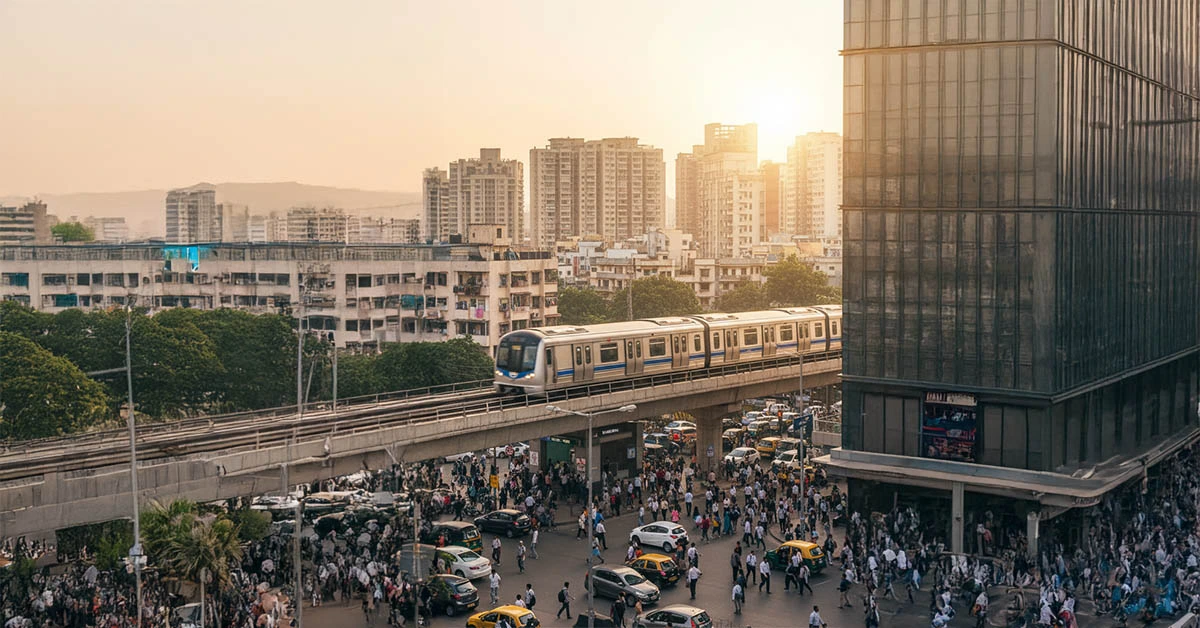
How Metro Rail Is Reshaping Indian Urban Life in 2025
Living close to a metro station is not just a commuting advantage; it has become a lifestyle choice. As India’s metro networks expand across cities, they are transforming the way people live, work, and navigate urban spaces. Faster travel, reduced congestion, and greener commutes make metros central to sustainable city life.
For today’s homebuyers, connectivity is as important as comfort. Metro-linked areas now offer not just transport but also schools, hospitals, shopping, and entertainment. Projects like Mahindra Citadel and Mahindra New Haven perfectly reflect this evolution – offering residents a balanced lifestyle supported by strong metro connectivity and well-developed neighborhoods.
At Mahindra Lifespaces, we design future-ready homes that align with this vision – integrating transit-oriented development (TOD), sustainability, and community living to create smarter neighborhoods for tomorrow.
Urban Transport Shift: What’s Changing in Indian Cities in 2025
Indian cities are undergoing one of the most significant shifts in mobility, driven by the rapid expansion of metros. Mumbai, Jaipur, and Bengaluru are introducing new lines that connect residential hubs with business districts, significantly reducing travel time.
Projects such as Metro Line 3 in Mahalaxmi, Metro Line 4 in Bhandup, and new routes in Malad West are reshaping urban travel. Similarly, metro expansions like the Pimpri-Chinchwad line in Pune and Bengaluru’s Green Line are improving accessibility for residents of emerging communities such as Mahindra Citadel and Mahindra New Haven.
These expansions make daily life smoother while easing road congestion and improving air quality. For homebuyers, the key question – “Is the project well-connected to public transportation (metro, bus, train)?” – has become central to choosing the right property.
Transit-Oriented Development: Driving Real Estate Growth
Metro connectivity does more than shorten travel time; it reshapes entire neighborhoods. This is the idea behind Transit-Oriented Development (TOD), where housing, commercial spaces, and social infrastructure grow around metro corridors.
In India, TOD is creating real estate hotspots. Mahalaxmi Metro Line 3 is driving luxury housing and commercial demand, while the upcoming Metro Line 4 in Bhandup and expansion in Malad West are making mid-range housing more attractive. Even outside Mumbai, areas with commercial land near the Jaipur Metro are emerging as mixed-use hubs, boosting both office and residential development.
So, how does the metro rail affect urban development? It increases land value, promotes walkable neighborhoods, and drives sustainable growth, making properties near metro stations highly desirable in 2025.
At Mahindra Lifespaces, our projects are aligned with this vision – bringing together transit access, eco-friendly design, and thriving communities.
Why Homebuyers Prefer Properties Near Metro Lines
For today’s buyers, metro connectivity is more than convenience; it’s a long-term value driver. Here’s why:
- Time saved, less stress: Faster, reliable commutes reduce dependence on private vehicles.
- Higher resale value: Flats near metro lines often command better resale prices due to sustained demand.
- Rental demand: Tenants prefer well-connected homes, making metro-linked properties more easily leased.
- Budget options available: With choices like apartments below 3 crores in Mumbai and flats below 4 crores near the metro, buyers have access to both affordable and mid- luxury segments.
- Eco-friendly choice: Less car travel means reduced emissions, aligning with greener lifestyles.
Spotlight on Micro-Markets: Where Metro Is Creating Real Estate Waves
Metro projects are reshaping property demand across key Indian micro-markets. Here’s how different areas are evolving in 2025:
-
Mahalaxmi (Metro Line 3 + Coastal Road)
Improved connectivity is making Mahalaxmi one of Mumbai’s most premium addresses, with rising demand for luxury housing and commercial spaces.
-
Bhandup (Metro Line 4)
The upcoming line is boosting mid-segment housing demand, offering buyers better affordability with strong future growth potential.
-
Malad West (Mumbai Metro Expansion)
With new metro routes under construction, Malad West is experiencing a surge in demand for apartments in the ₹3–4 crore range, making it an attractive option for mid-to-premium buyers.
-
Kalyan (Metro + Social Infrastructure)
Kalyan benefits from metro expansion and good social infrastructure, including schools, healthcare, and shopping malls like Metro Junction Mall. It’s a great place for families looking for convenience and amenities.
-
Pimpri, Pune
The Pimpri-Chinchwad Metro line has transformed this suburb into one of Pune’s fastest-developing residential corridors. Proximity to IT hubs, schools, and healthcare makes it ideal for professionals and families. Mahindra Citadel’s location near the metro ensures easy connectivity to Shivajinagar, Hinjewadi, and other key destinations.
-
Bengaluru
The Bengaluru Metro Green Line extension is driving significant growth along Tumkur Road. With excellent access to Peenya and Yeshwanthpur industrial and business zones, areas around Mahindra New Haven are seeing rising residential demand. The project benefits from improving infrastructure, green surroundings, and metro accessibility; making it a strong choice for modern families.
Sustainable Urban Housing: The Green Impact of Metro Living
Metro connectivity isn’t just about faster travel; it supports greener cities. With fewer cars on the road, reduced emissions, and better-planned development, metro-linked neighborhoods are central to India’s urban sustainability goals.
For homebuyers, this shift means access to projects that combine connectivity with eco-conscious living:
- Biophilic design: Homes designed with natural light, ventilation, and green spaces.
- Certified sustainability: Many developers now deliver eco-friendly, green-certified housing near metro corridors.
- Lower carbon footprint: Reliable metro access reduces dependence on private vehicles.
In short, transport is key to urban sustainability. By cutting pollution and enabling efficient land use, metro-connected housing is shaping cleaner, future-ready cities. At Mahindra Lifespaces, we integrate sustainability into every project, aligning with this vision of healthier, greener living.
Who’s Investing in Metro-Connected Properties (and Why?)
The appeal of metro-connected housing cuts across different buyer profiles:
- Families upgrading: Extra rooms, shorter commutes, and proximity to schools and healthcare make metro-linked homes ideal for family comfort.
- Working professionals: Hybrid and remote workers value reduced travel time, reliable connectivity, and access to peaceful, well-planned neighborhoods.
- NRIs and investors: Strong rental demand and assured resale value make properties adjacent to metros attractive as long-term investments.
- Lifestyle-focused buyers: Many choose metro-linked zones for social infrastructure – parks, shopping, entertainment, and eco-friendly living.
For all these groups, the answer to “Is it good to buy a flat near a metro line?” is clear: yes. Better connectivity, amenities, and long-term value make metro homes a smart choice.
Why Metro Zones Outperform
Homes close to metro lines offer clear benefits compared to those in less connected areas. It’s not just about quicker commutes; it's also about the better lifestyle and dependability these locations provide.
- Consistent demand: Families, professionals, and investors prefer metro-linked locations, ensuring properties stay in demand.
- Better resale appeal: Easy connectivity and strong infrastructure make such homes more attractive in the secondary market.
- Higher rental potential: Working professionals actively seek metro-accessible homes, boosting rental opportunities.
- Holistic living: Metro zones usually grow with schools, shopping centres, healthcare, and entertainment close by, offering a balanced lifestyle.
In short, metro zones outperform by combining convenience, liveability, and long-term reliability, making them some of the smartest places to buy in 2025.
Why Mahindra Lifespaces Is a Top Choice for Metro-Connected Homes
When it comes to investing in a property near metro corridors, the choice of developer makes all the difference. At Mahindra Lifespaces, we combine trust, thoughtful design, and future-ready planning to deliver homes that truly enhance urban living.
For today’s buyers, connectivity is key. Our projects are located in neighborhoods with strong metro access, ensuring shorter commutes and better lifestyle convenience. From Mahindra Citadel – well connected to the city’s metro network, to Mahindra New Haven – offering easy access through the Green Line in Bengalaru, each project is designed to keep residents seamlessly connected to the city.
However, it doesn’t stop transportation – our communities are designed with green-certified features, including natural ventilation, open spaces, and energy-efficient construction that support sustainable living.
We also focus on creating complete ecosystems. Parks, shopping, healthcare, and schools are either integrated into our projects or conveniently located nearby, providing families with everything they need within easy reach. Combined with transparent processes, RERA compliance, and timely delivery, Mahindra Lifespaces has been a trusted choice across India for over 25 years.
When you choose us, you’re not just buying a flat near a metro – you’re choosing a home that’s future-ready, sustainable, and built for long-term value.
Smarter Living Starts Here – Discover Mahindra Lifespaces’ Metro-Connected Communities.
Final Thoughts: Metro Connectivity Is Building India’s Future Cities
Metro connectivity is no longer just about transport; it has become the backbone of modern urban life. Metros are making Indian cities better to live in and invest in by cutting traffic, pollution, and changing real estate and lifestyle.
For homebuyers, this means more than convenience. Properties near metro lines offer stronger demand, better community infrastructure, and long-term reliability, making them one of the smartest investment decisions in 2025.
At Mahindra Lifespaces, we believe your next home should give you more than four walls. With our metro-connected, sustainable projects, you gain a lifestyle that’s future-ready, well-connected, and built to grow in value over time.
Your Next Home Isn’t Just a Flat, it’s a Connected Future. Check Out Mahindra Lifespaces’ Metro-Connected Projects Now.
FAQs
Why is the metro important in big cities?
It reduces traffic, saves time, cuts pollution, and boosts real estate growth – transforming city living for the better.
How does the metro rail affect urban development?
Metro connectivity increases land value, enhances infrastructure, and promotes mixed-use development in surrounding areas.
What is the usefulness of metro rail in urban transport systems?
It provides affordable, fast, and eco-friendly travel while reducing dependence on private vehicles.
How many metro rail connectivity projects are there in India?
Over 20 cities in India currently have operational or under-construction metro networks, with more being planned.
Which city has the best metro in India?
Delhi Metro is considered the most extensive and reliable, with strong coverage and modern facilities.
What factors affect the resale value of a flat in metro cities?
Factors affecting the resale value of a flat are proximity to metro, builder reputation, connectivity, amenities, and social infrastructure.
Is it good to buy a flat near a metro line?
Yes, metro-connected properties usually have higher demand, better rental yield, and long-term value.
What is the value of a flat after 20 years near metro lines?
Values generally grow steadily; in prime metro-linked zones, they can double or more depending on demand and infrastructure.
Are there any good apartments near the metro available for under ₹3 crores?
Yes, many emerging metro corridors offer apartments below 3 crores near metro, especially in growing suburbs.
Are there good apartments near metro under ₹4 crores?
Buyers can also find apartments below 4 crores near metro in mid-to-premium areas, balancing affordability with connectivity.
What are the plans for the expansion of the Mumbai Metro network in the Malad West area?
Ongoing work on new metro lines will improve Malad West’s connectivity, boosting residential and commercial demand.
What are the latest updates on Metro Line 4 and its impact on Bhandup’s real estate market?
Metro Line 4 is expected to boost Bhandup’s housing demand, with improved connectivity attracting both investors and families.
What is the current and projected impact of Metro Line 3 and Coastal Road on Mahalaxmi’s connectivity?
These projects will significantly enhance Mahalaxmi’s accessibility, making it a prime destination for luxury and premium housing.
How is the social infrastructure, including parks, shopping malls, and entertainment options, in Kalyan?
Kalyan offers strong social infrastructure with schools, healthcare, parks, and malls like Metro Junction Mall, enhancing its appeal for families.