


Popular searches





Buying a Home in India? Essential Interior Design Features Not to Overlook in 2026
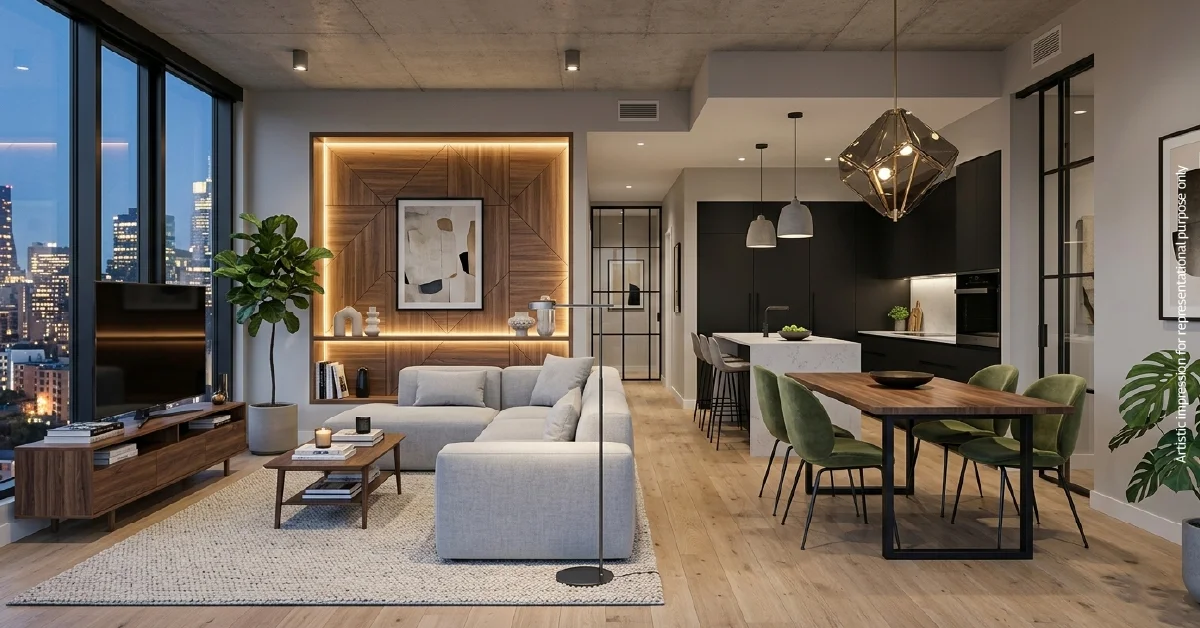
Choosing a new home is more than just evaluating its location, layout, or price. The way interiors are designed significantly influences daily comfort, long-term convenience, and how well a space can adapt to your lifestyle over time.
This is why focusing on interior design aspects when buying a home becomes an important part of the decision-making process, even before you step into your new space.
Thoughtfully designed interiors can reduce the need for extensive renovations later. Mahindra Lifespaces offers well-planned homes, attention to natural lights, ventilation, storage requirements, and room proportions to make a noticeable difference once you move in.
These elements influence how naturally your home adapts to work, rest, hosting, and daily routines.
This blog walks through the key interior design features to check before buying. It also breaks down room-wise considerations for bedrooms, kitchens, living areas, and shared spaces, so you know exactly what to look for.
Toward the end, you will find simple tips to plan your home interiors after purchase, along with answers to common buyer questions.
The dream home interior checklist
Before you sign the papers, carry this quick checklist to the site or sample flat:
- The “Golden Triangle”: Is the kitchen layout efficient for cooking?
- Switch ergonomics: Are charging points accessible from the bedside?
- Wardrobe recesses: Are there dedicated wall niches for cupboards to save floor space?
- AC placement: Is the AC point positioned to cool the room without hitting your face directly?
What to check before you buy – foundational interior design factors
In the Indian real estate market, “usability changes” after purchasing a home, (like moving a wall or adding electrical points) can increase your interior budget by 15% to 20%.
Choosing a home with a “smart-integrated” layout—like those at Mahindra Vista—you save lakhs in renovation costs because the foundational ergonomics are already optimized for modern appliances and modular furniture.
-
Layout, space and flexibility
When evaluating interior design while shortlisting your dream home, the first thing to look at is the layout. A well-planned layout should give you real usable space, not just large rooms on paper. Notice how the rooms connect, whether movement feels easy, and if the overall design can support your daily routine.
Flexibility matters, too. A corner that becomes a study space, a room that doubles up as a guest zone or a quiet work-from-home spot can make your home adapt to life changes.
-
Natural light, ventilation and window-to-wall ratio
Comfort in a home often comes from simple things like daylight and fresh air. Check how much natural light each room gets and if the windows allow for good ventilation. These aspects influence how your home interior will feel throughout the day.
The orientation of the home matters too. More daylight often means better energy efficiency.
In the Indian climate, ventilation is not just about fresh air; it is about thermal comfort. Look for cross-ventilation (windows on opposite or adjacent walls) which naturally flushes out heat.
-
Storage and built-in convenience
A practical interior design should support clutter-free living. Look for storage solutions and small niches that assist in keeping your family organized. These details make everyday life easier and reduce the need for heavy custom work later.
-
Ergonomics and practical layout planning
Intricate details shape long-term comfort. Check plug points, switch placements, appliance locations, and possible work-from-home corners. Your home interior design becomes more efficient when these functional elements support your lifestyle without requiring major changes.
-
Materials, finishes and Scope for customisation
Flooring, wall finishes, and ceiling height influence how a home feels the moment you enter. Look for clean, sturdy materials that age well.
Also, check if the space allows custom additions such as modular kitchens or new storage units. Good planning here can help you create a clean and cohesive modern house interior design later.
Check out our properties – Mahindra Marina64 , Mahindra Blossom & Mahindra Vista
Room-by-room interior design considerations
-
Bedroom interior design ideas and what to check before buying
When it comes to smart bedroom interior design, it is important to recognize that everyone has unique needs and preferences. Consider what works best for you when arranging essential elements like the bed and side tables to ensure comfortable movement.
You might find it helpful to include a dedicated corner for reading, studying, or working, depending on your routine and personal preferences. Ultimately, tailor the space to suit your individual lifestyle and requirement.
Look at wardrobe placement and available storage options. Natural light creates a calm atmosphere, so check the window size and position. Layered lighting also helps you adjust the room’s mood easily.
-
Kitchen interior design and functionality
A practical kitchen interior design should support an efficient cooking and cleaning flow. Look for adequate cabinetry, drawer space, racks, and comfortable space for large appliances.
Good ventilation is essential. Quality finishes, durable countertops, and easy-to-clean flooring also play a big role in long-term maintenance.
A kitchen is only as good as its utility area. Ensure there is a dedicated space for a heavy-duty dishwasher and washing machine with independent water inlets and outlets. Check for a “Dry vs. Wet” zoning potential—this allows you to keep the messy prep work hidden while the main countertop remains a clean, aesthetic zone for hosting.
-
Living room, dining and shared spaces
A good living room interior design makes shared spaces feel open and welcoming. Check how the living and dining areas connect and whether there’s comfortable circulation. Natural light can lift the entire space during the day.
Plan for layered lighting in the evenings so the room stays warm and inviting. Choose materials and finishes that align with the overall interior look you prefer.
-
Creating a cohesive home interior with a modern approach
A cohesive home interior design is easier to achieve when you decide on a theme early. Whether you prefer modern, minimal, contemporary, or classic, consistency helps the home feel connected.
Coordinate materials, colours and textures across rooms. This supports a balanced, polished modern house interior design. Flexibility matters, too. Multipurpose rooms and modular furniture make it easy to adjust spaces as your needs evolve.
| Feature | Common Market Standard | Mahindra Lifespaces Design |
|---|---|---|
| Wardrobes | Occupy bedroom floor space | Built-in niches to maximize carpet area |
| Windows | Standard height | Optimized window-to-wall ration to maximize views & daylighting and at the same time control heat gain |
| Work-from-Home | Requires “making space” | Dedicated space for desks & tech |
| Connectivity | Limited plug points | Strategically placed points for Gadgets |
How to plan your home interior design journey after buying a new home?
Once you finalise your home, the next step is shaping your interior with clarity and intention. A little early planning helps you create a smooth and enjoyable setup.
- Plan your budget and timeline realistically. Good materials, thoughtful furniture, and simple custom work take time. Rushing can cause mismatches or unnecessary expenses. A calm, step-by-step approach makes the entire journey easier and more enjoyable.
- Start by measuring your rooms, including wall lengths, window sizes, and ceiling height. These measurements help you plan furniture, lighting, and storage without cluttering the space. It also supports smarter home interior design decisions, especially if you are aiming for a tidy and well-balanced look.
- Choose a design style before you begin shopping. A clear theme, whether contemporary, warm, minimal, or classic, makes it easier to create consistency across rooms. This helps avoid random purchases and supports a more cohesive modern house interior design.
- Prioritise the essentials first. Look at lighting, ventilation, storage, and layout flow before adding décor. These basics influence long-term comfort more than what you buy later. Once the foundation is set, you can build each room at a comfortable pace.
- Modular and flexible furniture can be an immense help. As your lifestyle changes, a room can easily switch roles: a study area becomes a reading nook; a guest room becomes a hobby corner. This also keeps your home interior practical without major changes.
Learn what our Design Team has to say about interior design for your home
At Mahindra Lifespaces, we focus on homes that offer comfort, flexibility and long-term ease of living. This is why understanding interior design when buying a home becomes even more helpful when exploring our communities.
Our layouts are designed to offer balanced room sizes, smart circulation, and flexible corners that work for modern routines.
“While the same unit is going to be used by multiple people, we ensure there is ample space for storage, whether it is a foyer which is with additional storage areas, whether it is walk-in wardrobes or wardrobe niches which allow ample space after placement of your wardrobe for your room to fit in, multiple people at the same time and even expand for guests.” – Design Team, Mahindra Lifespaces
Investing a little time in these checks while buying helps avoid future costs and helps your home grow gracefully.
“When designing a kitchen for example, we do not look at the mere square footage of the kitchen, but the design of the kitchen is such which allows the maximum length of counters and cabinets that can be accommodated.” – Design Team, Mahindra Lifespaces
Explore smartly designed homes by Mahindra Lifespaces across India today.
FAQs
1. What are the most important interior design aspects to consider before buying a home?
Look at the basics first: layout, natural light, ventilation, storage, and overall room proportions. These factors shape how your home interior design will feel once you move in.
2. How much storage space should a home have for a good home interior design?
Enough to support your routine without crowding the rooms. Built-in wardrobes, kitchen cabinetry, bathroom storage and space for modular units help maintain a clean, organised look. A well-planned house interior design keeps essentials accessible without taking away open space.
3. What should I check in lighting and ventilation when buying a new home?
Prioritise natural light and airflow. Large windows, good orientation, and proper cross-ventilation make homes feel brighter and healthier. These details also influence how your home interior develops later, from wall colours to furniture placement.
4. How do I plan bedroom interior design when buying a house?
Check if the room comfortably fits a bed, side tables, and a small movement zone. Wardrobe placement matters, too. Natural light and quiet corners help create a peaceful setting. Once these basics align, styling your bedroom interior design becomes much easier.
5. What should I look for in kitchen interior design before buying a home?
Focus on layout flow, storage, and ventilation. A good kitchen interior design supports cooking, cleaning, and appliance placement without feeling cramped. Durable finishes and easy-to-maintain surfaces also make a noticeable long-term difference.
6. How can multifunctional rooms benefit from modern living?
Flexible rooms adapt as your needs change. One corner can become a study, hobby area, or small work zone. This approach fits well with modern house interior design, where spaces evolve as routines shift.
7. How do room layout and space flow affect living room interior design?
A smooth, open layout makes your living room interior design more welcoming. Check how the living and dining areas connect and whether there is enough circulation. Good flow creates a natural place for family time, hosting, or simply relaxing.
8. What design style factors matter when choosing home interior design in a new house?
Pick a style you are comfortable with — modern, minimal, contemporary, or classic.
Consistency across colours, textures and materials help maintain a balanced home
interior design. A clear theme also prevents random purchases later.
9. How do I balance aesthetics and practicality while designing a modern house interior?
Start with functional elements like lighting, ventilation, and storage. Once these are in place, add décor that fits your lifestyle. Good modern house interior design always balances comfort with clean visuals.
10. How does the “Carpet Area” vs. “Loading” affect my interior design?
High loading means you lose space in the common area outside the apartment. Always look at the RERA Carpet Area and specifically the “usable wall-to-wall” dimensions. A lower loading factor, common in premium developments like Mahindra Lifespaces, ensures your interior designer has more actual floor to work with, giving you better value for every rupee spent on furniture.