


Popular searches





Difference Between Leasehold vs Freehold Properties in India
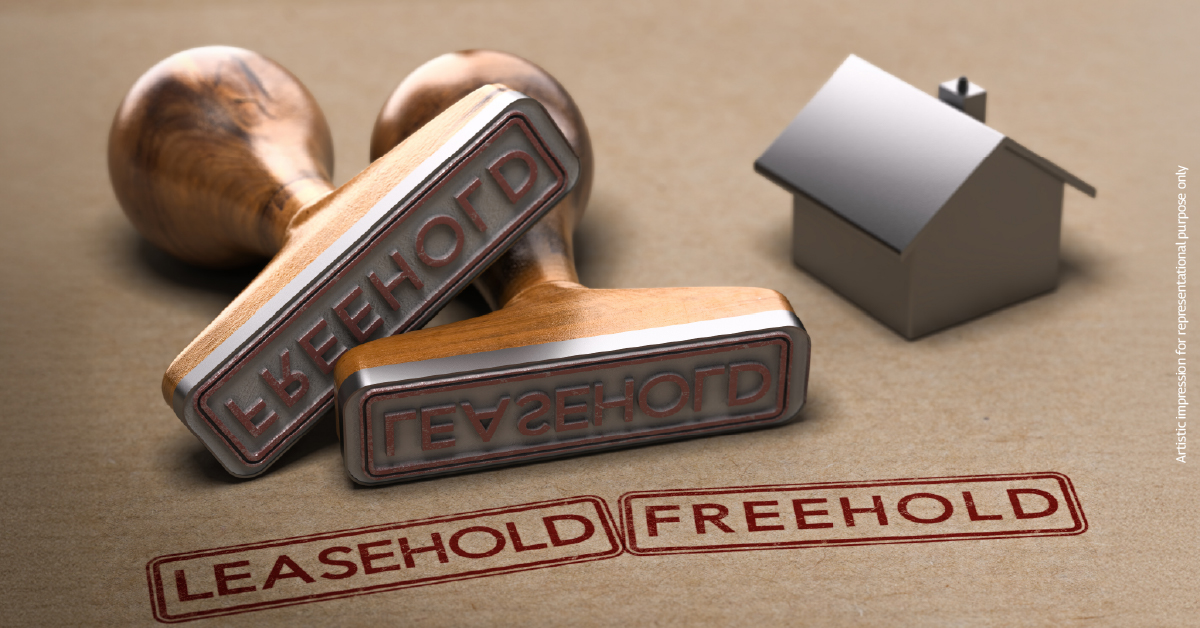
Ever thought you fully own your home—only to find out later you might not own the land it sits on? That’s the reality many homebuyers face when they overlook the key differences in leasehold vs freehold property in India.
This difference impacts everything—your legal rights, financial investment, resale value, and even inheritance.
With complex paperwork and evolving ownership models dominating the market, making an informed choice becomes crucial. Whether you’re buying your first home, investing in real estate, or planning a legacy for the next generation, knowing the difference between leasehold and freehold properties can save you money, stress, and time.
At Mahindra Lifespaces, clarity and transparency are non-negotiable. That’s why we guide homebuyers through every legal detail—whether you choose a freehold or leasehold property. This guide breaks it all down, so you know exactly what you’re buying—and what you’re not.
Here’s a quick side-by-side comparison to give you a bird’s-eye view of how leasehold and freehold properties differ on key ownership aspects:
| Feature | Leasehold Property | Freehold Property |
|---|---|---|
| Ownership Duration | Ownership if for a fixed term (usually 30 to 99 years). Ownership is limited to the lease period. | Perpetual ownership (lifetime and beyond). |
| Actual Owner | Government or development authority (or the lessor) | You (the homebuyer becomes the sole legal owner) |
| Modifications Allowed | Need prior permission from the lessor. | Owner can modify freely, as per local regulations |
| Resale Value | Typically lower due to limited control and duration | Higher resale value due to full ownership and transferability |
| Ground Rent / Lease Renewal | Recurring payments for lease renewal, ground rent | No recurring lease charges |
| Inheritance Rights | Complex—often requires government approval | Fully transferable to heirs without external permissions |
| Transferability | Requires lessor’s consent for transfer in many cases. | Easier to sell or transfer ownership |
| Renewal | Lease may need renewal upon expiration of the term. | Not applicable |
What is a Leasehold Property in India?
In India, when you buy a leasehold property, you’re essentially leasing the land from the government or a development authority for a predetermined period—ranging from 30 to 99 years, although some leases may extend up to 999 years.
The specific duration is usually outlined in the lease agreement. While you may pay for the apartment or building like any other property transaction, the actual owner of a leasehold property in India remains with the lessor, typically a public authority such as DDA, MHADA, or CIDCO.
This means that although you can use the property and even sell or rent it, your rights are limited by the lease agreement. You don’t own the land itself; you’re simply leasing it for a long period. When this lease term expires, renewal becomes necessary, often introducing complexities to the process.
A common question that arises is: What happens when a 99-year lease expires in India?
In most cases, the local authority allows for a renewal of the lease, often at a cost involving renewal fee. However, this is not an automatic process—you may be required to submit a formal request, pay additional charges, and sometimes face legal hurdles depending on updated policies.
Another area of concern for homebuyers is whether buying a leasehold is worth it. The answer depends on your goals. Leasehold properties often come at a lower upfront cost compared to freehold options in the same locality.
This is because, with leasehold properties, you only acquire the right to use the property for a specified period, rather than owning the land outright, as you would with freehold properties. The limited ownership rights and the necessity to renew the lease after a certain duration often make leasehold properties more affordable compared to freehold ones.
For investors seeking rental income or homebuyers looking for short-term residence in high-demand metros, this model can be financially viable. However, leasehold ownership may involve recurring charges like ground rent and restrictions on modifications, resale, or inheritance.
These limitations often result in lower resale value compared to freehold properties.
In cities like Delhi, Navi Mumbai, and Chandigarh, leasehold homes are common in government-allotted housing societies and cooperative group housing schemes. If you’re purchasing a leasehold property in one of these areas, make sure to check:
- The remaining tenure of the lease
- Whether the property is eligible for conversion to freehold
- Any ground rent dues or renewal clauses
A leasehold property can offer short-term affordability but comes with long-term uncertainties. Knowing these fine-print legalities can save you from future complications.
What is a Freehold Property in India?
A freehold property in India refers to a type of ownership where the owner has complete and absolute rights over the property. This means the owner possesses the land and any structures on it, free from restrictions or obligations to a higher authority (such as a leaseholder or the government).
Once purchased, the property is yours outright—for life, and even beyond. You can sell it, renovate it, mortgage it, or pass it on to your heirs without needing permissions from a land authority or paying any recurring lease-related charges.
In contrast to leasehold models, where the land remains under government or institutional control, freehold ownership puts the entire asset in your name.
This clarity of title is one of the major reasons why many Indian homebuyers now consider freehold properties better than leasehold, especially when it comes to long-term investment or residential stability.
Another major advantage is financing. Freehold properties are generally easier to finance, as banks and housing finance institutions prefer them as collateral. Their clean ownership, legal security, and independence from third-party approvals make the loan approval process quicker and often more flexible, with better interest rates.
Freehold benefits play a key role in long-term property appreciation, especially in expanding suburbs and Tier-2 cities.
Clear ownership and freedom from lease renewals often lead homebuyers to pay 10–15% more for freehold properties compared to leasehold homes.
For those planning to stay long-term or build generational wealth, freehold benefits like full ownership, legal clarity, and flexibility to modify the property make it a smart and secure investment.
Let’s not forget the advantages of freehold in daily practical terms—no lease renewal fees, no ground rent, and no dependency on administrative bodies for resale or inheritance.
Whether you’re eyeing a villa in Pune, an apartment in Bengaluru, or a plot Chennai, owning a freehold property in India gives you peace of mind today and confidence for the future.
Homebuyer Profiles – Who Should Choose What?
Not all homebuyers have the same goals—and that’s exactly why understanding the difference between leasehold vs freehold matters so much. Your lifestyle, investment plans, and long-term vision should influence the type of ownership you choose. Here’s a breakdown of which profile fits best with each property model.
A Leasehold Property is Ideal For:
If you’re someone who prioritizes location and affordability over long-term ownership, a leasehold property in India can make sense.
For instance, young professionals or expats moving to major metros like Delhi or Mumbai for a 5- to 10-year work stint often find leasehold homes practical. These properties usually come at a lower upfront cost compared to freehold homes in the same area, making them financially attractive in the short run.
They’re also a go-to for investors focused on rental income, especially in commercial or institutional zones where leasehold plots dominate.
If you’re not planning to hold the property for generations but simply want to generate ROI over a few years, the leasehold model can work well.
However, it’s important to remember that while leasehold may offer initial cost advantages, their resale value could be lower due to restrictions on ownership transfer, modification, and lease duration.
A Freehold Property is Best For:
If you’re buying a home to live in for the long haul, planning to raise a family, or looking at real estate as a part of your legacy, then freehold ownership is your best bet.
Both end-users and long-term investors alike gravitate toward freehold properties because they offer absolute control and peace of mind.
You’re not just purchasing a place to live—you’re investing in legal certainty, future value, and generational continuity. In fact, many homebuyers consider freehold homes as secure assets, given that they can be passed on to heirs without any external approvals or restrictions.
Post-pandemic, the demand for freehold homes in suburban areas like Thane, Kalyan, Malad, Hinjewadi, Kharadi, Wagholi, Pimpri, Palghar and Whitefield has grown significantly. Families are looking for properties where they can customize, renovate, or expand freely, and where their children can inherit a clear title without legal hassles.
So, if you’re seeking full legal ownership, value appreciation, and the freedom to make the property truly your own, a freehold home is the right path forward.
Pro Tip: Many homebuyers transitioning from metro cities to suburban areas now actively seek freehold properties due to flexible space, better pricing, and ownership clarity.
Use Cases – Where Each Property Type Shines
Different property ownership models serve different purposes—and their relevance often depends on the location, type of development, and the homebuyer’s intent. Let’s look at how leasehold and freehold properties are commonly used across India, and in what situations each one thrives.
Leasehold Properties: Urban Density, Commercial Hubs, and Government Projects
Leasehold models are typically found in metro cities or areas with limited land availability, where large tracts of land are managed by government or municipal authorities.
In such locations, developers are allotted leasehold land for residential or commercial projects. As a result, homebuyers don’t receive outright land ownership but acquire lease rights for a defined term.
Leasehold property in India is particularly common in:
- Delhi NCR (DDA and L&DO properties)
- Mumbai and Navi Mumbai (CIDCO projects)
- Chandigarh and other planned government sectors
These areas often attract commercial homebuyers, short-term occupants, or institutional housing seekers who prioritize central locations without the full burden of freehold pricing. Leasehold is also useful for temporary relocation housing, staff quarters, or mid-term investment plans where ownership flexibility isn’t a priority.
For example: Many government-allotted plots in South Delhi or Navi Mumbai are on leasehold terms, offering affordability in otherwise premium zones.
Freehold Properties: Legacy Building, End-Use, and Long-Term Investment
When it comes to long-term residential use, freehold properties remain the most preferred model. Homebuyers looking to invest in a home for their family or create a lasting asset gravitate toward areas where freehold titles are
standard.
Freehold properties in India are common in:
- Pune (especially in areas like Baner, Wakad, and Hinjewadi)
- Bengaluru (Whitefield, Electronic City)
- Chennai, Nagpur, Ahmedabad, Ahmedabad, Tier-2 cities
- Suburban expansions around metro cities where private developers own and sell plots with clear titles
These locations are rapidly becoming growth hotspots where families and investors alike can own, modify, and pass on their properties without third-party interventions. From standalone villas to plotted developments and gated communities, freehold properties offer the freedom and flexibility modern homebuyers seek.
Did you know? Many RERA-approved townships by private developers in emerging suburbs are entirely freehold, offering higher transparency and legal clarity.
Legal Documentation Checklist
One of the most critical—and often overlooked – differences between leasehold vs freehold properties lies in their documentation requirements. While both require proof of ownership and compliance, the legal paperwork for leasehold properties tends to be more complex, with dependencies on external authorities.
Before signing any allotment letter, it is crucial to review the specific policies across different residential projects in India, as the terms can vary significantly depending on the developer’s construction stage and RERA guidelines.
Here’s what you need to know before signing that agreement.
Documents Required for Leasehold Properties
If you’re considering buying a leasehold property in India, it’s essential to verify that the seller has all approvals and lease agreements in place. Since the property is technically not owned outright, you’ll need to scrutinize the following:
- Lease Deed: This is the most important document that proves the land has been leased to the seller by a government authority for a specific period (usually 30 to 99 years). It outlines the terms of the lease, including tenure, rent, and rights of the lessee and lessor.
- Ground Rent Receipts: Many leasehold properties involve annual payments to the lessor. Ensure these dues are cleared and receipts are available.
- Payment Receipts: Proof of lease payments or security deposits made to the lessor.
- Occupancy Certificate (OC) and Completion Certificate (CC): These confirm that the construction is legally approved and habitable.
- No Objection Certificate (NOC): In several cases, the original lessor (like DDA or CIDCO) must approve any resale or modification. Ensure this is clearly documented and processed.
If you’re wondering how to convert leasehold property to freehold, the process typically involves applying to the authority, paying a conversion fee, and submitting original lease documents along with identity and address proof. Once approved, a Freehold Conveyance Deed is issued in your name.
Documents Required for Freehold Properties
Buying a freehold property in India is usually a more straightforward process, but that doesn’t mean you can skip legal checks. You must verify title clarity, previous transactions, and tax history.
- Title Deed and Sale Agreement: These confirm you’re purchasing the property from its rightful owner and outline all transactional terms.
- Revenue Records: This document records the transfer of ownership in the revenue records maintained by the local municipal authority.
- Property Tax Receipts: This proves there are no outstanding dues and that the property has been officially recorded with the municipal authority.
- No-Encumbrance Certificate (NEC): Essential for both homebuyers and banks, this confirms that the property is free of legal disputes or loans.
- Building Plan Sanction: If you’re buying newly constructed or under-construction freehold property, make sure the floor plans and layouts are approved by local bodies.
- Completion Certificate: A certificate issued by the municipal authority stating that the construction is complete and adheres to the approved plans.
The value of a freehold property is influenced by factors such as location, market demand, surrounding infrastructure, and most importantly, the clarity of the property title.
Properties with clean documentation and proper registration under the homebuyer’s name typically attract higher market value and offer better eligibility for loans.
Unlike leasehold models, freehold properties do not incur recurring lease-related charges. However, homebuyers are responsible for one-time costs like stamp duty and registration fees, and in the case of gated communities, ongoing maintenance charges as determined by the housing society.
Financial Implications – Know What You’re Paying
When evaluating leasehold vs freehold property, the financial aspect plays a significant role in your decision-making process.
Leasehold:
- Lower upfront cost: Ideal for homebuyers with budget constraints.
- Recurring charges: Includes lease rent, maintenance, and renewal fees.
- Potential future costs: Lease extensions or conversions can be expensive.
Freehold:
- Higher initial investment: investment: Full ownership comes at a premium.
- No recurring lease fees: No payments beyond basic property upkeep.
- Easier financing: Banks prefer freehold for loan approvals due to ownership clarity.
From a financing standpoint, banks favour freehold properties due to clear ownership, making loans easier to approve with better rates. While leasehold may cost less upfront, freehold offers stronger long-term value, stability, and financing flexibility.
Market Trends & Data Insights
The real estate market in India has seen a noticeable shift post-pandemic, with a growing preference for freehold properties in suburban and tier-2 cities.
Freehold homes have seen higher resale value compared to leasehold counterparts in the same locality. This is primarily due to the perceived permanence and ownership control those freehold properties offer.
In response, state governments in Delhi, Mumbai, and Bangalore are encouraging conversion of leasehold to freehold in older colonies to simplify property ownership rights and boost housing investment. This also aligns with the central government’s push for property digitization and legal transparency.
The question, “Can leasehold property be converted to freehold in India?” often comes up — and the answer is yes.
The process involves applying to the local development authority, paying the prescribed conversion fee, and submitting necessary documentation such as the lease deed, possession letter, and NOCs. While it varies from city to city, the conversion offers full ownership freehold benefits and better resale options.
Conclusion: Your Property, Your Power
When it comes to leasehold vs freehold property, the right choice ultimately depends on individual needs, priorities, and long-term goals—there’s no universal answer. What matters most is your ownership intention, financial readiness, and long-term plans.
- Freehold properties offer lifetime ownership, greater autonomy, and resale advantages, making them ideal for homebuyers looking for long-term stability.
- Leasehold properties, meanwhile, suit those who want short-term flexibility or are working within a smaller budget in high-demand locations.
- The specific requirements can vary based on the state, jurisdiction, and type of property (residential, commercial, or industrial). It’s advisable to consult with a lawyer or property expert to ensure all necessary documents are in place.
Before deciding:
- Consult real estate experts
- Understand legal documents thoroughly
- Choose a trusted developer with a track record of transparency and compliance
At Mahindra Lifespaces, we help turn property decisions into smart investments, offering peace of mind through secure ownership models, thoughtful design, and long-term value. When you’re looking for freehold property in India, Mahindra Lifespaces caters to your needs with transparency and complete trust.
We offer:
- A diverse portfolio of freehold properties across Mumbai, Pune, and Chennai more
- RERA-approved projects backed by 25+ years of real estate expertise
- Complete legal and documentation support to ensure clarity of ownership
- Sustainable, thoughtfully planned communities for long-term living or investment
We are committed to simplifying property ownership, no matter which model you choose. Learn about ownership models and explore Mahindra Lifespaces projects tailored to your lifestyle and financial goals today.