


Popular searches





Why Open Spaces Are a Priority for Modern Homebuyers?
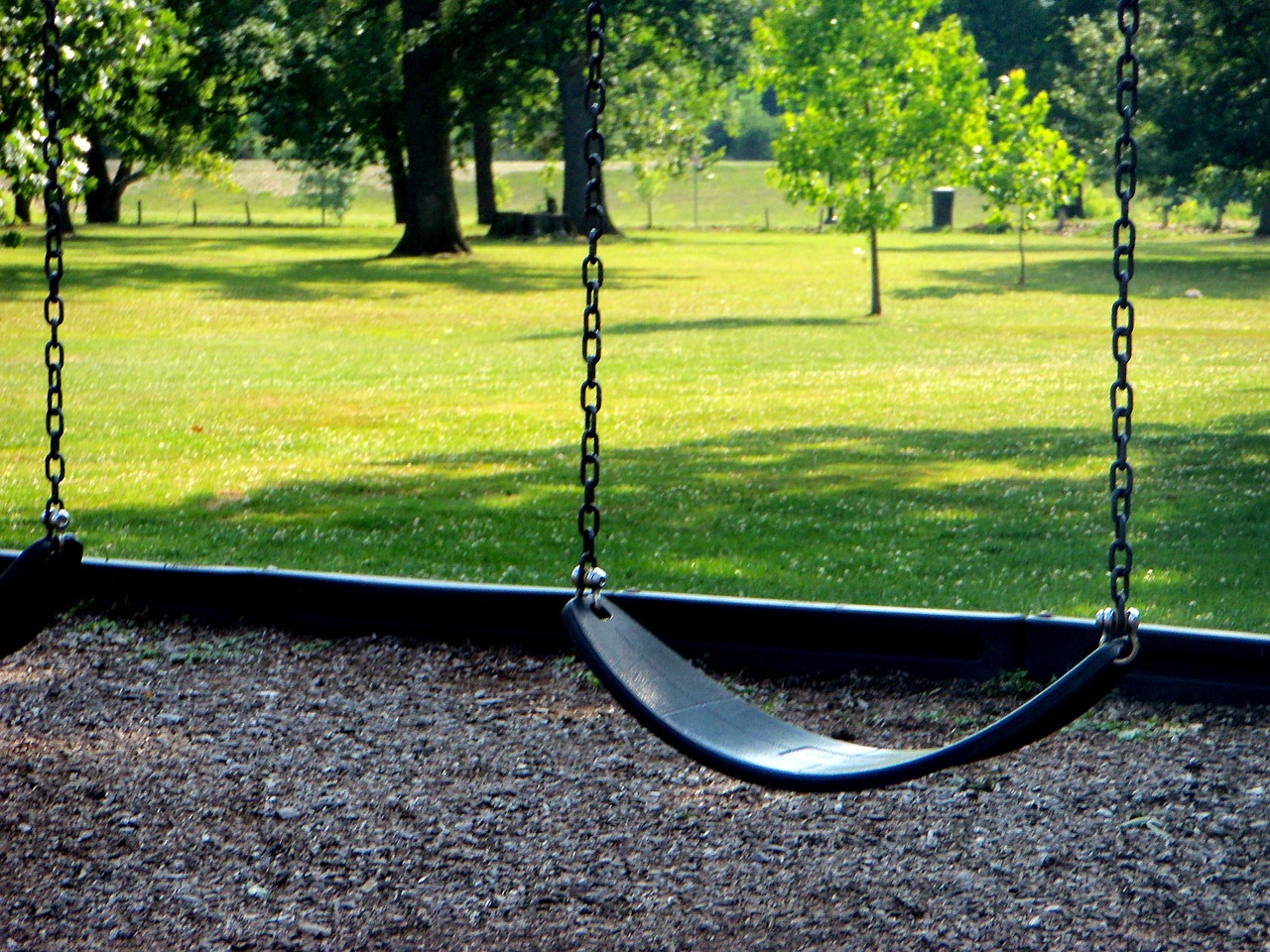
In today’s fast-paced urban lifestyle, open spaces have transformed from being a luxury to a necessity. The pandemic has reshaped priorities for homebuyers, putting health, well-being, and quality of life at the forefront of decision-making. As cities grow denser, the need for open spaces within residential communities has become a top priority for modern homebuyers.
Why are open spaces such a game-changer in real estate today? What role do they play in enhancing physical, mental, and social well-being? In this blog, we explore the reasons behind the rising demand for open spaces and how they contribute to a healthier, happier living experience.
What Defines Open Spaces in Residential Communities?
Modern open spaces are thoughtfully designed to cater to diverse needs. Here are some key features:
- Landscaped Gardens: Aesthetic greenery that adds beauty and serenity to residential communities.
- Playgrounds and Activity Zones: Safe and engaging spaces for children to play and explore.
- Community Spaces: Open areas for hosting events, gatherings, or simply relaxing with neighbors.
- Fitness Trails and Jogging Tracks: Designed to promote physical activity and healthy living.
- Eco-Friendly Design: Sustainable features like rainwater harvesting, green roofs, and native plants that contribute to environmental conservation.
These features make open spaces functional, aesthetic, and essential for modern living. Open spaces are more than just an amenity—they’re an investment in a healthier, happier lifestyle.
Several factors have influenced the growing demand for open spaces:
- Post-Pandemic Awareness: The pandemic has highlighted the importance of health and wellness, with homebuyers seeking spaces that support relaxation and outdoor activities.
- Work-From-Home Trend: As people spend more time at home, open spaces provide a much-needed balance between work and leisure.
- Urban Density: Rising urbanization has reduced access to public parks and green areas, making open spaces within residential communities more desirable.
- Family-Friendly Living: Families prioritize open spaces for safe play areas and opportunities to bond with neighbors.
This shift reflects a deeper understanding of how open spaces contribute to a better quality of life.
The Role of Open Spaces in Sustainable Living
Open spaces aren’t just beneficial for residents—they’re essential for the environment too. Here’s how they contribute to sustainable living:
- Environmental Benefits: Green spaces reduce urban heat island effects, improve air quality, and promote biodiversity by attracting birds and pollinators.
- Water Management: Open spaces often include features like rainwater harvesting systems and groundwater recharge zones.
- Energy Efficiency: Green spaces regulate temperatures, reducing the need for artificial cooling and lowering energy consumption.
- Long-Term Value: Sustainable open spaces enhance property value while promoting ecological balance, benefiting both homeowners and the planet.
By integrating eco-friendly practices, open spaces pave the way for a greener, more sustainable future.
How Mahindra Lifespaces Prioritizes Open Spaces
At Mahindra Lifespaces, open spaces are at the heart of community design. Here’s how we integrate them into our residential projects:
- Thoughtfully Landscaped Gardens: Creating serene environments for relaxation and meditation.
- Dedicated Fitness Areas: Jogging tracks, yoga zones, and cycling paths to promote active lifestyles.
- Child-Friendly Playgrounds: Safe and enriching spaces for children to play and socialize.
- Eco-Friendly Design: Incorporating sustainable practices like rainwater harvesting, solar panels, and native plants.
- Community Spaces: Open areas for events, gatherings, and fostering connections among residents.
With a focus on well-being and sustainability, Mahindra Lifespaces ensures that open spaces enhance the living experience for all residents.
Invest in a Home That Prioritizes Open Spaces
Open spaces are more than just physical areas—they’re integral to creating communities that support health, happiness, and sustainability. Whether it’s a landscaped garden, a jogging track, or a child-friendly playground, open spaces enhance the quality of life for modern homebuyers.
As urban living evolves, the demand for open spaces will only grow. So, when choosing your next home, prioritize properties that offer well-designed open spaces. After all, investing in open spaces isn’t just about enhancing your lifestyle—it’s about securing a brighter, healthier future for you and your family.
Discover how Mahindra Lifespaces integrates open spaces into its projects to create communities that truly support modern living.
FAQs
- How do open spaces improve mental well-being for residents?
Spending time in open spaces, such as parks or gardens, has been proven to reduce stress, improve mood, and promote relaxation. Natural environments provide a calming atmosphere that helps people disconnect from daily pressures.
- Are open spaces only beneficial for families, or do single professionals also value them?
Open spaces are beneficial for everyone. While families enjoy them for safe play areas and community bonding, single professionals value them for relaxation, fitness activities, and social interaction with neighbors.
- Can open spaces help during work-from-home scenarios?
Yes, open spaces provide a refreshing break from indoor work setups. They allow residents to step outside, rejuvenate, and improve productivity by reducing mental fatigue.
- Do open spaces contribute to healthy living?
Absolutely. Open spaces promote physical activity, such as walking, jogging, cycling, or yoga, and encourage residents to adopt an active lifestyle. Additionally, they improve air quality and reduce heat, creating a healthier environment.
- How do open spaces impact children’s development?
Open spaces provide children with opportunities to play, explore, and socialize, which are essential for their physical, emotional, and cognitive development. They also encourage creativity and teamwork in group activities.
- How do open spaces affect community living?
Open spaces foster a sense of community by providing shared areas for social gatherings, events, and daily interactions. This helps residents build relationships and create a stronger sense of belonging.
- Are open spaces maintained by the residential community?
Yes, most residential communities have a dedicated maintenance team or homeowners’ association to ensure that open spaces, such as parks and gardens, are well-maintained and clean.
- How can I identify a residential project with well-designed open spaces?
Look for projects that offer landscaped gardens, jogging tracks, children’s play areas, and recreational spaces. Check for eco-friendly features, such as water management systems and native plants, which indicate thoughtful planning.
- Why are open spaces considered eco-friendly?
Open spaces contribute to environmental sustainability by improving air quality, supporting biodiversity, and helping manage water through features like rainwater harvesting. These areas also reduce urban heat island effects, making communities more sustainable.
- Are open spaces necessary in urban areas with access to public parks?
While public parks are valuable, having open spaces within residential communities offers the convenience of immediate access. Residents can enjoy private, secure, and less crowded environments that are tailored to their needs.
- How do open spaces impact property prices?
Homes in communities with well-designed open spaces are more desirable and often command higher property values. Buyers are willing to pay a premium for access to lifestyle amenities like parks, gardens, and recreational areas.
- Are there any specific open space features for senior citizens?
Yes, senior-friendly open spaces often include walking paths, shaded seating areas, meditation zones, and fitness zones designed for low-impact exercises, ensuring comfort and accessibility for older residents.
- How do open spaces contribute to sustainability in urban living?
Open spaces reduce the carbon footprint of residential communities by promoting green cover, natural cooling, and energy efficiency. They also help recharge groundwater through rainwater harvesting systems and reduce pollution.
- What types of recreational activities can open spaces support?
Open spaces can support a variety of recreational activities, such as jogging, yoga, cycling, picnics, outdoor workouts, sports, and community events. They cater to diverse interests and age groups.
- Are open spaces a trend or a long-term need in real estate?
Open spaces are a long-term necessity in real estate. With increasing urbanization and the focus on health and well-being, their importance will continue to grow as homebuyers prioritize quality of life.
- How do developers ensure the safety of open spaces in residential communities?
Developers incorporate features like gated access, CCTV surveillance, proper lighting, and security personnel to ensure that open spaces are safe for all residents, including children and senior citizens.
- Are there any regulations or guidelines for developers regarding open spaces?
Yes, many cities and urban planning authorities mandate a minimum percentage of land in residential projects to be allocated for open spaces, ensuring a balance between construction and environmental needs. The open space percentage is often directly tied to the size of the plot.
Minimum open space requirements are set by municipal and urban development authorities through Development Control Regulations (DCR) or Model Building Byelaws.
- How can open spaces help reduce urban stress?
Open spaces provide a natural escape from the fast-paced urban environment. They offer opportunities to relax, meditate, or engage in physical activities that release endorphins, reducing stress and improving overall well-being.
- Can open spaces be used for community events?
Yes, open spaces like community lawns or amphitheaters are ideal for hosting events, celebrations, cultural programs, and gatherings, enhancing the sense of community and belonging among residents.
- Are open spaces important for pet owners?
Absolutely! Open spaces with pet-friendly zones or walking trails are highly valued by pet owners, as they offer safe and convenient areas for pets to exercise and socialize.